

Robotic Obesity Surgery
Robotic Surgery for Obesity
Robotic surgery for obesity, also known as robotic bariatric surgery, is a minimally invasive procedure used to help individuals with obesity lose weight by altering their digestive system. The procedure is performed using advanced robotic systems that provide surgeons with enhanced precision, control, and visualization, offering a safer and more efficient way to perform complex weight-loss surgeries.
Types of Robotic Bariatric Surgery
-
Robotic Gastric Bypass
-
Robotic Sleeve Gastrectomy
-
Robotic Adjustable Gastric Band (Lap-Band Surgery)
Robotic Gastric Bypass
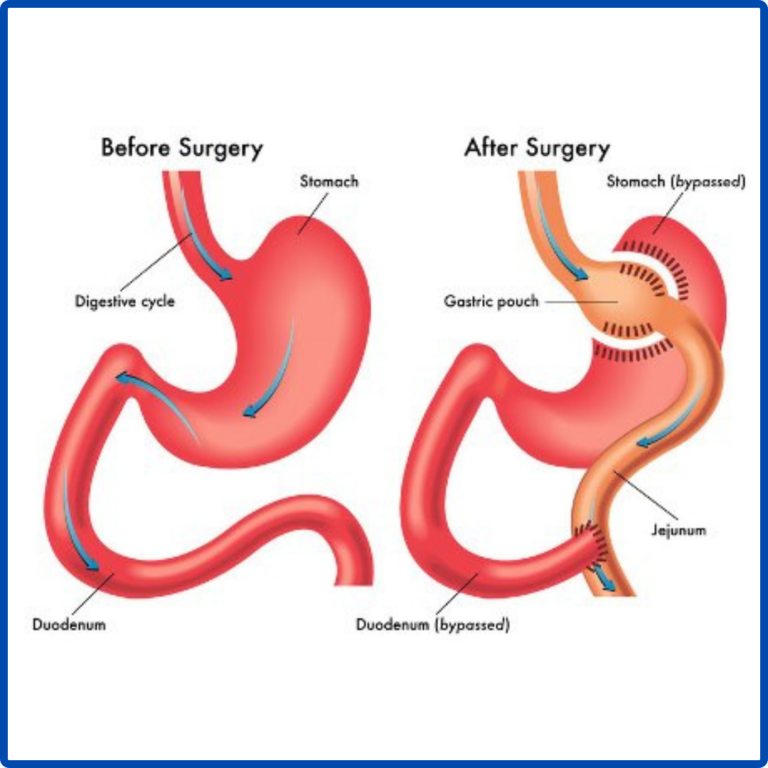
This is one of the most common and effective robotic weight-loss surgeries. It involves creating a small stomach pouch and rerouting a portion of the small intestine, reducing the amount of food intake and calorie absorption.
- The surgeon creates a small pouch from the upper stomach.
- A section of the small intestine is connected to the pouch, bypassing the rest of the stomach and part of the intestine.
Best for: Patients with severe obesity (BMI over 40) and those with obesity-related conditions such as type 2 diabetes.
Robotic Sleeve Gastrectomy
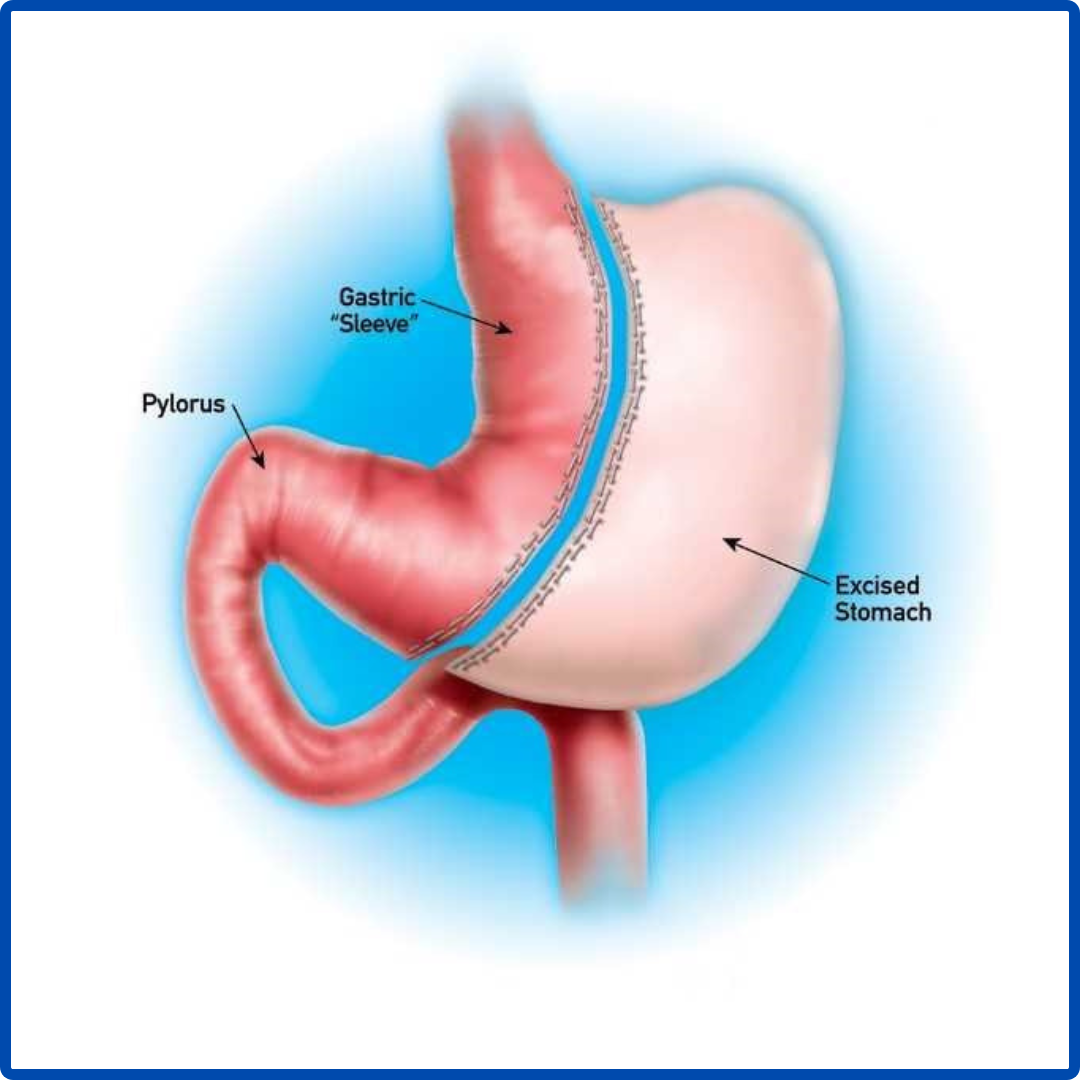
In this procedure, a significant portion of the stomach (approximately 75-80%) is removed, leaving a sleeve-shaped stomach that restricts food intake and reduces hunger.
- The surgeon removes the majority of the stomach and reshapes it into a narrow sleeve.
- The sleeve reduces the amount of food that can be consumed and affects hunger hormone production (ghrelin).
Best for: Patients seeking a less complex procedure with effective weight loss results and fewer nutritional deficiencies compared to gastric bypass.
Robotic Adjustable Gastric Band (Lap-Band Surgery)
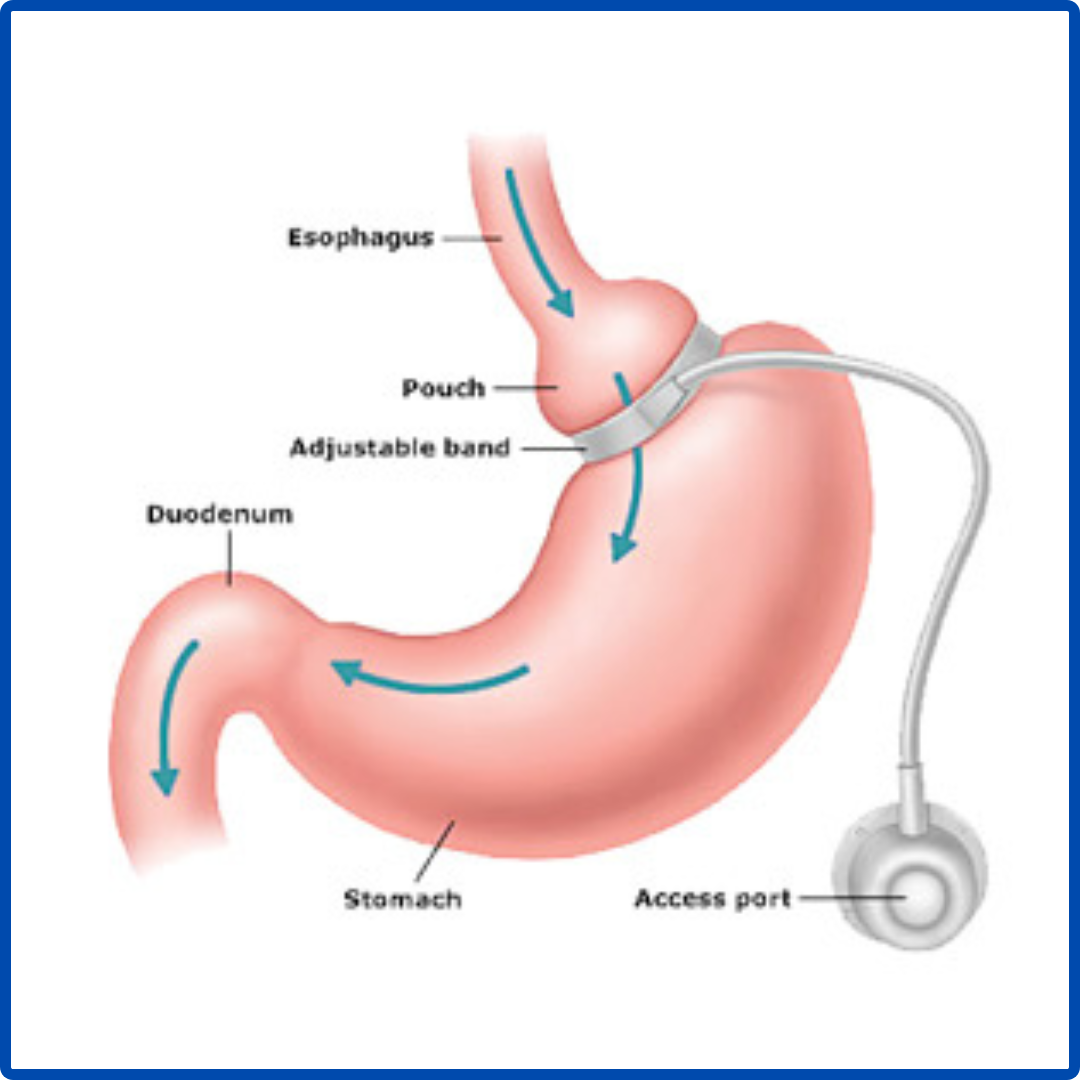
This procedure involves placing an adjustable silicone band around the upper stomach to create a small pouch. The band can be tightened or loosened to control food intake.
- The surgeon places a band around the top of the stomach.
- The band is adjusted by inflating or deflating it through a port under the skin.
Best for: Patients who prefer a less invasive procedure with a reversible option, although it tends to result in less weight loss compared to other methods.
Surgery Management
1. Pre-surgery Preparations
- Consultation: The patient meets with the bariatric surgeon to discuss the type of bariatric surgery, weight-loss goals, health risks, and suitability for robotic surgery. A thorough review of medical history and lifestyle is conducted.
- Diagnostic Testing: Imaging studies (such as abdominal ultrasound), blood tests, and possibly endoscopy are performed to assess the patient’s overall health and any pre-existing conditions like liver disease or sleep apnea.
2. Procedure
-
Anesthesia: The patient is placed under general anesthesia, ensuring they are asleep and pain-free during the operation.
-
Incisions: Several Key Hole incisions are made in the abdomen to insert ports for the robotic instruments and a high-definition camera.
-
Robotic System Setup: The surgeon sits at a console, controlling the robotic arms with precision. The robotic arms, equipped with surgical instruments, enter through the incisions and begin the procedure.
-
Bariatric Surgery: The specific bariatric surgery (such as Robotic Gastric Bypass or Robotic Sleeve Gastrectomy) is performed. For gastric bypass, the surgeon creates a small pouch in the stomach and reroutes part of the small intestine. For sleeve gastrectomy, a large portion of the stomach is removed, creating a sleeve-like structure.
3. Post- surgery care
-
Hospital Stay: Patients typically stay in the hospital for 3 to 4 days for observation. During this time, they are monitored for complications such as bleeding, infection, or digestive issues.
-
Pain Management: Pain is generally mild due to the minimally invasive nature of robotic surgery. Pain relievers may be prescribed for short-term use.
-
Dietary Restrictions: Patients follow a strict post-surgery diet plan, beginning with liquids and gradually transitioning to soft foods before reintroducing solids. Nutritional supplements may be prescribed to prevent deficiencies.
-
Activity Guidelines: Patients are encouraged to start walking soon after surgery to promote healing and reduce the risk of blood clots. Heavy lifting and strenuous activities should be avoided for several weeks.
WHY KAIZEN ?
With a vision to extend World Class healthcare solutions to the community through advances in medical technology, medical research and by adopting best man power management practices , Kaizen hospital was established in Ahmedabad in 2011.
EMERGENCY( 24X7 )
Mobile: +91 – 99047 44410
Help Line : +91 – 98244 40044
+91 – 79 – 2791 4444