
Although they are not the same, colon and rectal malignancies are frequently referred to as colorectal cancer. Although they both start in the large intestine, their locations, symptoms, methods of treatment and outcomes vary. Comprehending these distinctions is essential for prompt identification and efficient handling. Colon cancer treatment in India has advanced to a highly advanced level, providing patients with better results and a higher quality of life thanks to specialist care and medical technology breakthroughs.
Colon and Rectal Cancer
Understanding the Basics
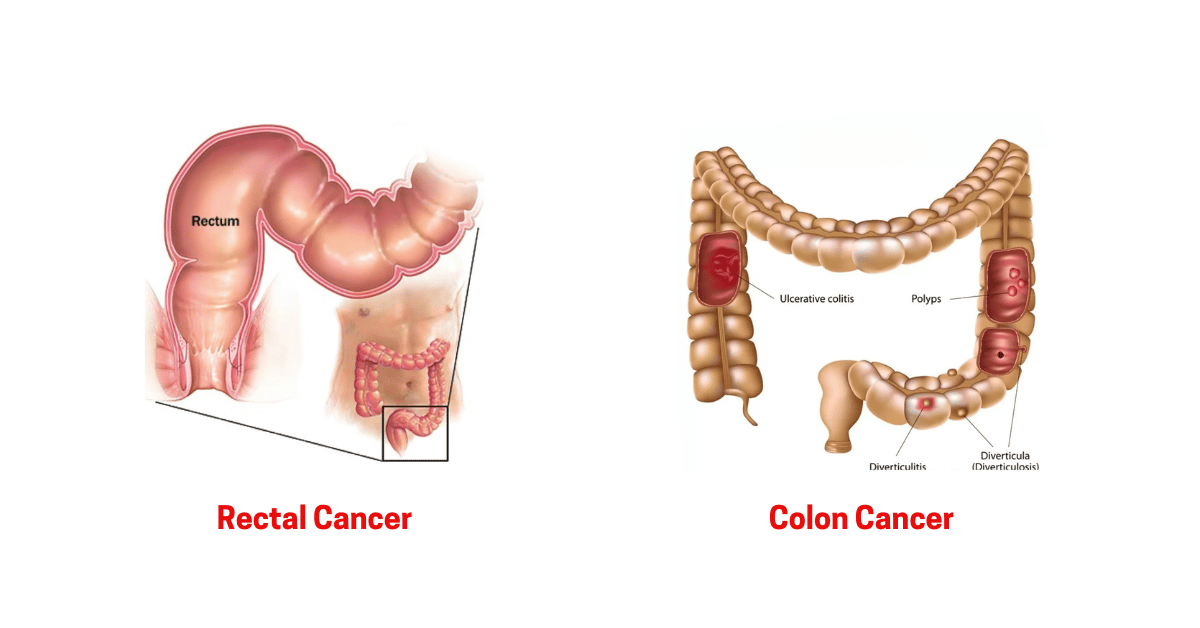
An essential component of the digestive system, the colon or big intestine, is in charge of absorbing water and holding waste until it is released. The rectum is the last portion that joins the colon to the anus, and the colon itself is separated into multiple pieces.
While rectal cancer starts in the rectum, colon cancer starts in the higher portions of the large intestine. Despite having comparable symptoms and risk factors, the two tumors differ anatomically, which affects how they are identified and treated.
Causes and Risk Factors
Polyps, which are abnormal growths that have the potential to develop into cancer over time, are the precursors of both colon and rectal malignancies. Age, inflammatory bowel illness, a lack of activity, obesity, smoking, diets heavy in red or processed meats and family history of colorectal cancer are common risk factors.
Susceptibility is also increased by genetic disorders, including Lynch syndrome and familial adenomatous polyposis (FAP). However, chronic inflammation and specific genetic mutations are more frequently linked to rectal cancer.
Methods of Treatment
The main reason why colon and rectal cancers require different treatment approaches is their anatomical locations. The most common treatment for colon cancer is surgery to remove the damaged colon, followed by chemotherapy if required.
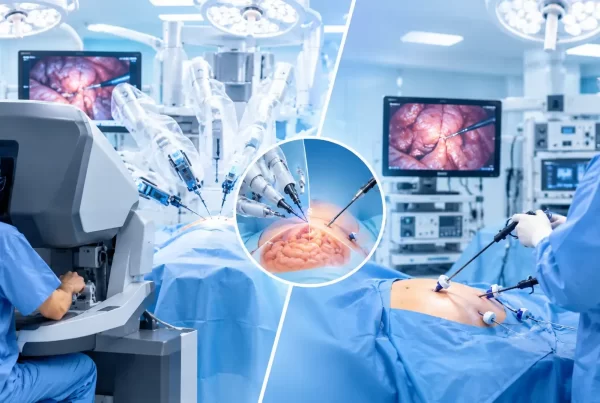
However, in order to maintain rectal function and avoid recurrence, treatment for rectal cancer may include a mix of radiation therapy, chemotherapy and surgery. Recovery and survival rates have increased dramatically as a result of developments in targeted therapies and minimally invasive procedures.
Colon Cancer Treatment in India now meets international standards thanks to the expansion of its innovative medical facilities. Comprehensive care, including early screening, precise diagnosis and individualized treatment programs catered to each patient’s condition, is provided by specialized hospitals.
Identification and Stage
Usually, imaging tests, blood testing, biopsy and colonoscopy are used to make the diagnosis. A colonoscopy allows medical professionals to view the colon and rectum, remove polyps and take tissue samples for examination. The staging process establishes the extent of cancer’s spread after confirmation.
While rectal cancer may spread to neighboring pelvic structures because of its restricted location, colon cancer frequently spreads to nearby lymph nodes or the liver. Creating a successful treatment plan requires precise staging.
Prevention and Prognosis
The most important element in raising survival rates for both colon and rectal cancers is still early identification. Risk can be considerably decreased by routine screenings, a healthy, high-fiber diet, frequent exercise and abstaining from alcohol and tobacco.
It is also advised that people with a family history of colorectal cancer seek genetic advice.
Conclusion
Despite their numerous similarities, colon and rectal tumors differ in location, symptoms and treatment methods, requiring customized care. Patients are better able to make health-related decisions when they are aware of these differences.
Kaizen Hospital offers complete diagnosis and treatment options for individuals looking for skilled medical attention and innovative colon cancer treatment in India. Visit kaizen hospital to find out more.