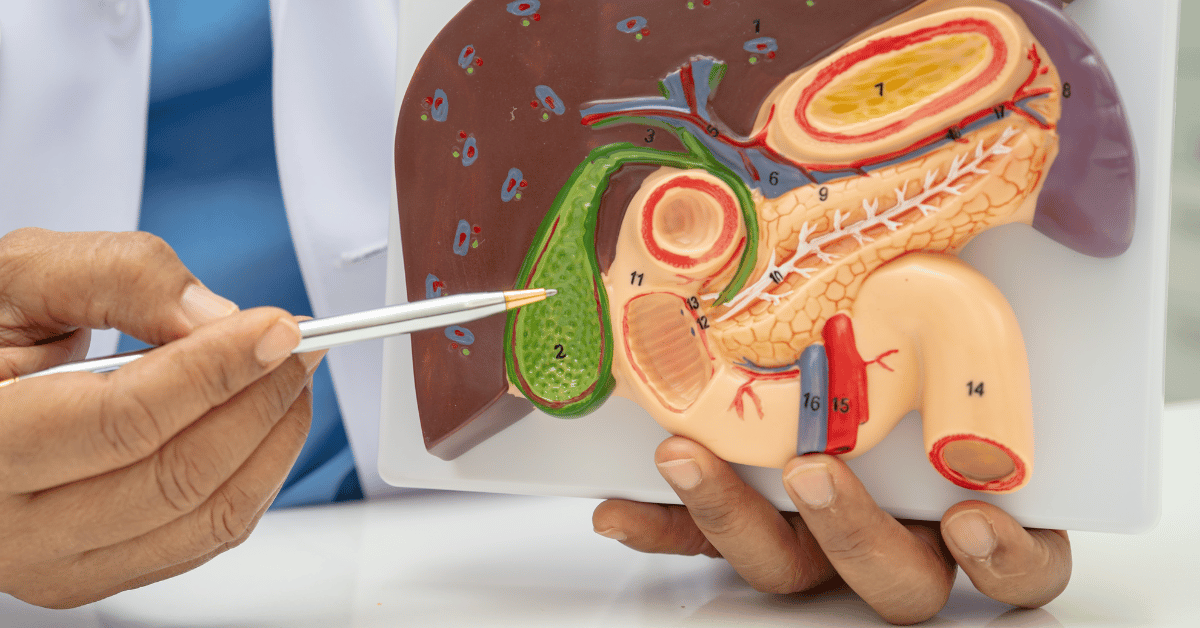

Many individuals worldwide suffer from gallbladder stones, commonly referred to as gallstones, a common digestive disease. The gallbladder, a little organ beneath the liver that is essential to fat processing, is where these solid deposits develop. For gallbladder stones to be effectively managed and complications to be avoided, it is crucial to comprehend the causes, symptoms and potential therapies. Gallbladder stone treatment in India has become more widely available and efficient due to improvements in medical care, giving patients who are looking for relief from this illness hope.
What Are Gallbladder Stones?
Hardened deposits called gallbladder stones form inside the gallbladder from digestive fluids, mainly blood. They range in size from enormous stones that are several inches in diameter to small grains. Gallstones come in two primary varieties: pigment stones, which are darker and consist of a protein called and cholesterol stones, which are yellowish and mainly composed of solid cholesterol.
Causes and Risk Factors
Gallbladder stones are caused by a number of reasons. Perhaps the most frequent reasons are:
- Excess cholesterol in bile: When the liver excretes more cholesterol than bile can break down, the excess can crystallise & turn into stones.
- Excess bilirubin: The liver may create too much bilirubin due to certain medical diseases, such as liver cirrhosis or blood problems, which can result in the production of pigment stones.
- Gallbladder dysfunction: Bile may concentrate and increase the risk of stone development if the gallbladder does not empty completely or frequently enough.
Gallbladder stone symptoms
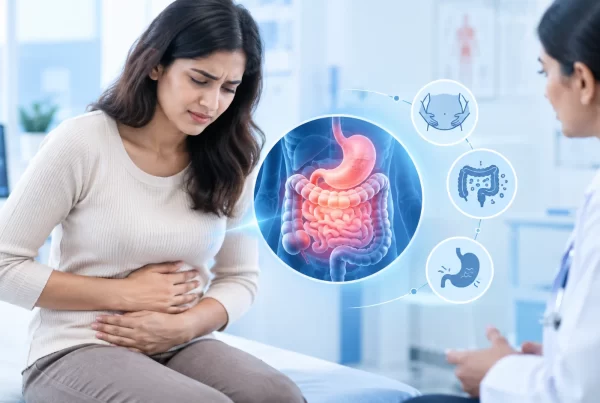
A large number of gallbladder stone sufferers do not exhibit any symptoms. Biliary colic, on the other hand, is a sudden, severe pain in the upper right abdomen that occurs when a stone plugs the bile duct. Other signs and symptoms could be:
- Vomiting and feeling queasy
- Bloating and indigestion
- Jaundice (eye and skin yellowing)
- Shivers and fever (should an infection develop)
Serious side effects such as pancreatitis, bile duct blockage or gallbladder inflammation (cholecystitis) need to be treated very carefully.
Diagnosis
A combination of imaging studies, physical examination and medical history is usually used to diagnose gallbladder stones. The most popular and useful diagnostic technique is ultrasound, which enables medical professionals to see gallbladder stones. To evaluate problems or rule out other conditions, additional procedures including blood tests, CT scans or MRIs may be performed.
Management for Gallbladder Stones in India
Gallbladder Stone Treatment in India has advanced significantly, offering a range of options tailored to the patient’s condition and preferences. The main therapies consist of:
- Medication: Small cholesterol stones may be dissolved by oral bile acid pills, although this method is gradual and not always successful.
- Non-surgical techniques: Although it is not always appropriate, endoscopic retrograde cholangiopancreatography (ERCP) can remove bile duct stones.
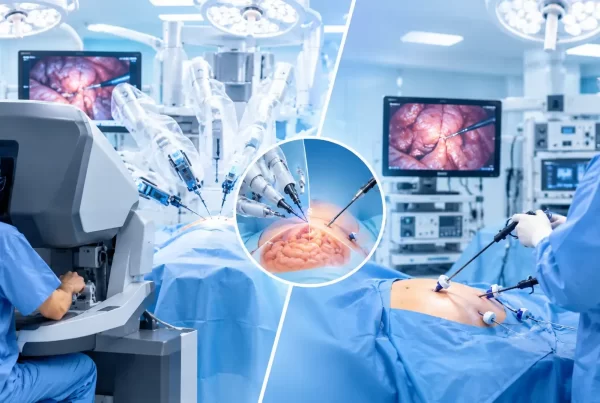
- Surgical treatment: Laparoscopic cholecystectomy, the minimally invasive removal of the gallbladder, is the gold standard for symptomatic gallstones.
Prevention and Control of Lifestyle
Maintaining a healthy weight, eating a balanced diet low in saturated fats, exercising frequently and refraining from drastic weight loss are all important ways to prevent gallbladder stones. For routine examinations and early action, people with risk factors should speak with medical specialists.
Conclusion
When diagnosed early and treated appropriately, gallbladder stones are a treatable ailment. With the availability of advanced Gallbladder Stone Treatment in India, patients can expect effective relief and improved quality of life. For extensive treatment choices and professional care, go to Kaizen Hospita.