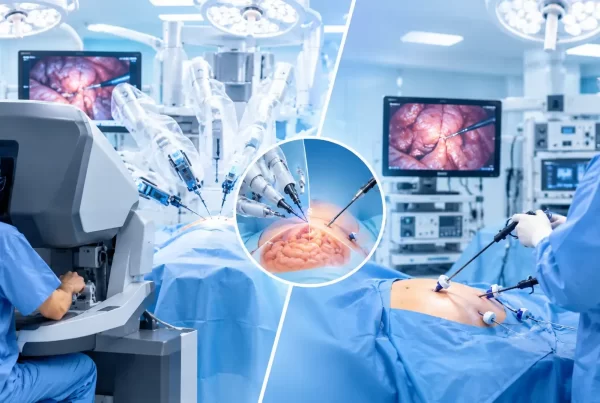


A frequent yet dangerous medical problem that can affect people all around the world is intestinal bleeding. Anywhere in the digestive tract, from the throat to the rectum, blood loss indicates an urgent need for medical intervention. In order to effectively manage this illness, medical specialists at prestigious facilities, like a prominent gastroenterology hospital in Ahmedabad, place a strong emphasis on knowing the causes, symptoms and diagnostic techniques.
Major Causes of Gastrointestinal Bleeding
Because the digestive tract is delicate and complex, bleeding can be caused by a number of things. Typical reasons include:
- Peptic Ulcers: These are one of the primary factors. Ulcers form when the protective lining of the stomach is eroded by stomach acids, typically as a result of Helicobacter pylori infection or prolonged NSAID use. Internal bleeding may result from the rupture of these ulcers if treatment is not received.
- Gastritis: Excessive alcohol consumption, stress, drugs, or long-term disease can all cause inflammation in the stomach lining. The lining is more prone to bleeding as it deteriorates.
- Oesophageal varices: Often linked to liver disease, these are enlarged veins in the oesophagus that may burst unexpectedly, causing significant blood loss.
- Diverticular Disease: Inflammation or infection of the diverticula, which are tiny, protruding pouches in the colon, can cause abrupt bleeding.
- Polyps and Cancers: Whether benign or malignant, growths in the stomach or intestines have the potential to irritate nearby tissues and eventually result in bleeding.
Identifying Symptoms: Things to Watch Out for
Depending on where it occurs, GI bleeding can show up in a variety of ways. They could exhibit outward signs like:
- Throwing up blood or something that looks like coffee grounds
- Tarry, black stools
- Blood in faeces that is bright red
- Weakness and exhaustion
- Light skin and lightheadedness
Chronic anaemia may result from mild bleeding in some situations. These symptoms frequently encourage people to receive treatment, particularly at a reputable gastroenterology hospital in Ahmedabad, where experts may conduct focused investigations.
Detecting Bleeding in the Gastrointestinal System
A number of tests and procedures are necessary for a proper diagnosis of GI bleeding, including:
- Endoscopy: To determine the cause of bleeding, a medical professional can directly inspect the upper or lower digestive tract using a flexible tube equipped with a camera.
- Imaging: To view the digestive tract and identify the bleeding site, X-rays, CT scans or angiography may be utilised.
- Blood testing: Blood testing can help assess the extent of bleeding and identify anaemia.
- Stool Tests: Blood can be found in stool samples by analysing them.
- Capsule Endoscopy: This technique uses a tiny, ingestible camera capsule to take pictures of the whole digestive system.
Also Read: Gastroparesis: Symptoms, causes, diagnosis and treatment
Conclusion
The best possible management of gastrointestinal bleeding is ultimately ensured by taking a proactive approach to symptoms, being aware of risk factors and seeking professional care. In regions like Ahmedabad, patients have access to outstanding services at a Gastroenterology Hospital in Ahmedabad that embraces continuous innovation and patient-centred care.
Kaizen Hospital is a shining example of excellence for people seeking the best digestive healthcare available. With the latest technology and a committed team of professionals, the hospital offers patients thorough diagnosis and therapy to help them deal with gastrointestinal bleeding in a safe and effective manner.