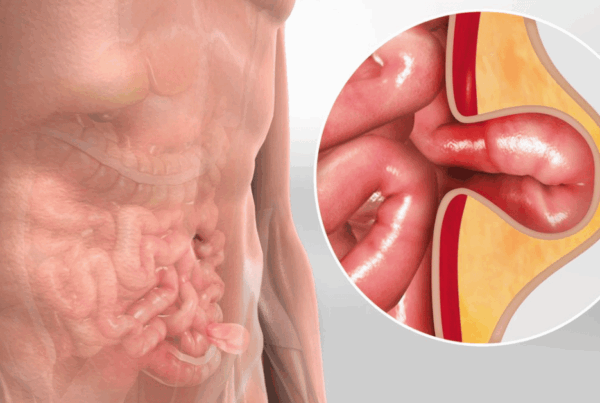


Seeing blood in the toilet after a bowel movement can be alarming. Your mind may immediately jump to the worst possibility. But don’t panic just yet.
Blood in stool can happen for several reasons, and piles (haemorrhoids) are one of the common ones. Still, not every case of rectal bleeding is piles. Sometimes, the bleeding points to another condition that needs proper medical attention.
Knowing what to look for can help you decide when it’s time to see a doctor.
What Does Blood in Stool Look Like?
The colour of the blood can offer a clue about where the bleeding may be coming from.
Bright red blood usually comes from the lower part of the digestive tract, including the anus or rectum. You might notice it on toilet paper, on the surface of the stool, or in the toilet bowl.
Dark red or maroon blood may come from higher up in the colon.
Black, tar-like stools can indicate bleeding higher in the digestive tract and require prompt medical evaluation.
Colour alone can’t confirm the cause, but it can help your doctor understand what may be happening.
When Could It Be Piles?
Piles, also called haemorrhoids, are swollen blood vessels around the anus or lower rectum. They can develop because of increased pressure in the area.
Constipation, straining during bowel movements, spending a long time on the toilet, pregnancy, and frequent heavy lifting can contribute to them.
Typical signs of piles include:
- Bright red bleeding during or after passing stool
- Itching around the anus
- Pain or discomfort, particularly with external piles
- A lump or swelling near the anus
- Irritation after bowel movements
If the bleeding is small in amount and occurs mainly after passing hard stools, piles may be the reason. But it’s still worth discussing recurring bleeding with a doctor rather than assuming it’s harmless.
When Should You Be Concerned?
Rectal bleeding deserves more attention when it doesn’t fit the usual pattern of piles.
See a doctor if you experience:
- Repeated or heavy bleeding
- Black or tarry stools
- Blood mixed throughout the stool
- Unexplained weight loss
- Persistent changes in bowel habits
- Ongoing abdominal pain
- Unusual tiredness or weakness
- Dizziness or fainting
- A family history of bowel or colorectal cancer
These symptoms don’t automatically mean something serious is wrong. However, they shouldn’t be ignored.
Conditions such as anal fissures, inflammatory bowel disease, infections, polyps, diverticular disease, and colorectal cancer can also cause blood in stool. A proper examination is the only reliable way to identify the cause.
What Does a Proctologist Do?
A proctologist, also known as a colorectal or colorectal surgery specialist, evaluates conditions affecting the anus, rectum, and lower bowel.
Depending on your symptoms, the doctor may perform a physical examination and recommend tests such as anoscopy, sigmoidoscopy, or colonoscopy. Treatment depends entirely on the underlying cause.
For mild piles, dietary changes, more fibre, adequate fluids, and avoiding straining may help. Persistent or advanced haemorrhoids may require medical or procedural treatment.
Don’t Ignore Rectal Bleeding
One episode of minor bleeding may not be a reason to panic, but repeated bleeding deserves attention. Treating the actual cause, not simply assuming it’s piles is the safer approach.
If you’re looking for a Proctologist in Ahmedabad, Kaizen Hospital offers specialised gastroenterology and surgical care with experienced gastro surgeons and modern diagnostic facilities. The hospital, established in 2011, is an NABH-accredited gastroenterology super-speciality centre and among Western India’s first and largest dedicated gastroenterology hospitals. Its multidisciplinary team provides evaluation and treatment for a wide range of digestive and colorectal conditions.
If you’re searching for a Proctologist in Ahmedabad because of persistent blood in stool, pain, swelling, or changes in bowel habits, getting a proper evaluation at Kaizen Hospital can help identify the cause and guide the right treatment.