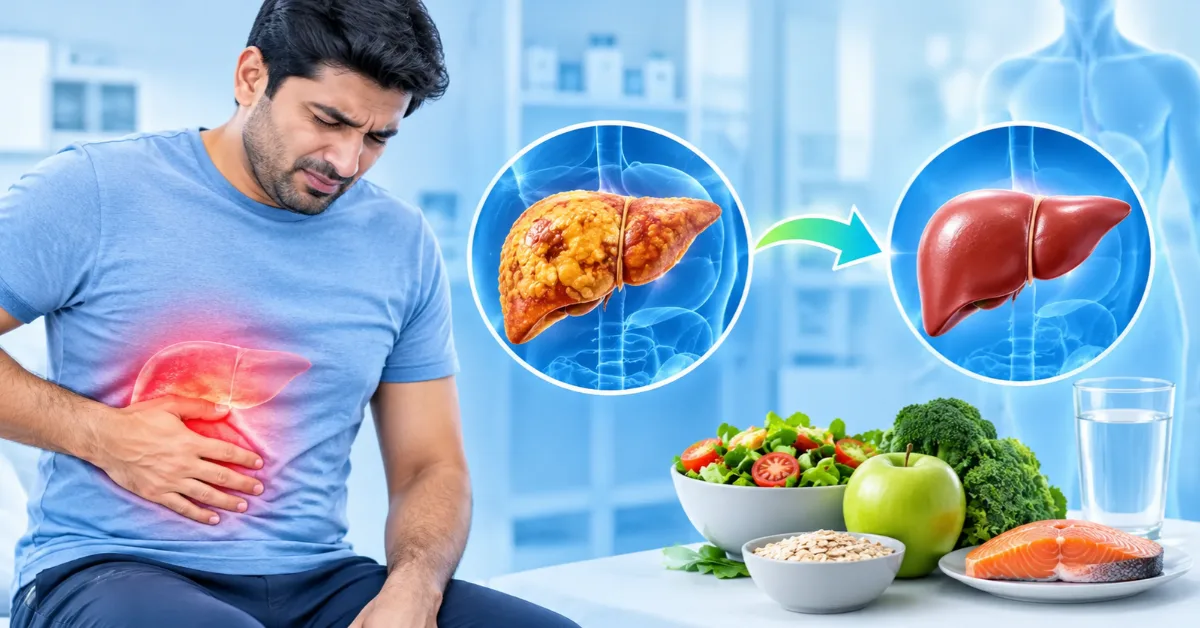

Your liver works quietly behind the scenes, helping process nutrients, remove harmful substances, and support digestion. But what happens when too much fat starts building up in it? This condition, known as fatty liver disease, can develop without obvious warning signs. The encouraging news is that lifestyle changes can often improve liver health. Understanding fatty liver treatment options, recognising possible symptoms, and making smarter food choices can help you take meaningful steps towards better health.
What Is Fatty Liver Disease?
Fatty liver occurs when excess fat accumulates inside liver cells. It is commonly associated with metabolic conditions such as obesity, type 2 diabetes, and high cholesterol. Alcohol can also contribute to liver fat accumulation. In some people, the condition remains mild, while others develop inflammation, scarring, or more serious liver damage. A diagnosis of grade 1 fatty liver generally indicates mild fat accumulation on imaging, but it does not independently establish how healthy or damaged the liver is.
Recognising Common Fatty Liver Symptoms
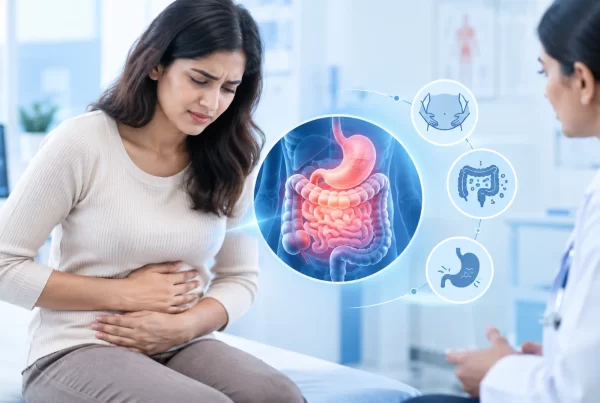
One tricky thing about fatty liver disease is that many people experience no noticeable symptoms, especially during its early stages. When symptoms do occur, they may include tiredness, general discomfort in the upper-right abdomen, or a vague feeling of weakness. These signs can have many other causes, so they cannot confirm fatty liver on their own. Doctors may recommend blood tests, imaging, and other assessments to understand your liver health and identify potential complications.
Build A Fatty Liver Diet That Works
Eating well does not mean following an extreme diet or giving up everything you enjoy. A balanced fatty liver diet can include vegetables, whole fruits, whole grains, pulses, nuts, and lean protein sources. Choose water instead of sugary drinks and limit foods high in added sugar, refined carbohydrates, and saturated fats. Reducing highly processed foods and controlling portion sizes can also help. If you are overweight, gradual, sustainable weight loss may improve liver fat and overall metabolic health.
How To Reduce Fatty Liver Naturally
Wondering how to reduce fatty liver without falling for quick-fix promises? Start with habits you can maintain. Aim for regular physical activity, combining walking or other aerobic exercise with strength training where appropriate. If you drink alcohol, discuss whether you should stop completely with your healthcare professional. Prioritise sleep, manage diabetes and cholesterol, and attend recommended medical reviews. Avoid unverified liver detox products or supplements, as some can cause liver injury rather than improve your health.
Understanding Fatty Liver Treatment Options
Effective fatty liver treatment depends on the underlying cause and the extent of liver damage. Lifestyle changes remain central for many people, while managing associated conditions such as diabetes, high blood pressure, and high cholesterol is equally important. Your doctor may recommend additional investigations or specialist care if inflammation or fibrosis is suspected. Some patients with specific forms of fatty liver disease may qualify for targeted medication. Never start medicines or supplements without discussing their benefits and risks with a qualified healthcare professional.
In Conclusion
Fatty liver can sound worrying, but discovering it is an opportunity to take better care of your health. A balanced diet, regular movement, sustainable weight management, and appropriate medical guidance can make a meaningful difference. Even if you have grade 1 fatty liver, do not ignore follow-up advice or assume the condition will automatically disappear. Speak with your healthcare professional or consult a Gastroenterology Hospital in Ahmedabad to understand your individual risks and create a realistic plan for improving your liver health.
Need to See a Specialist? Book Your Appointment at Kaizen Hospital Today!