
Your small intestine has a big role to play when it comes to your overall health. It absorbs the nutrients you receive from the food you eat, being a major…
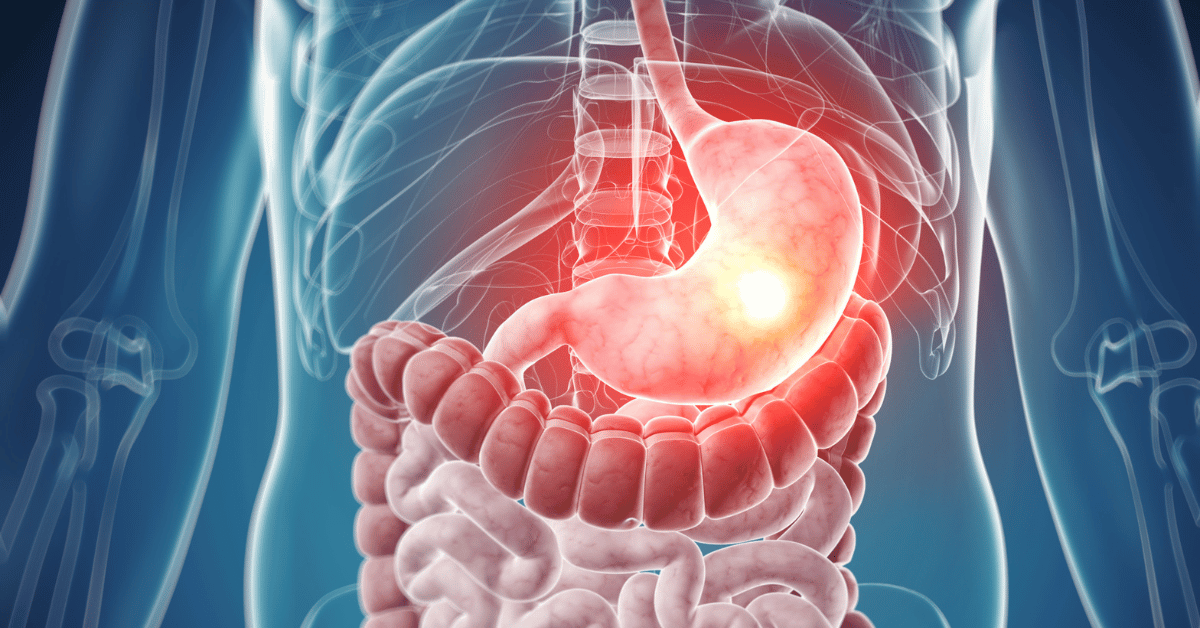
Gastroparesis refers to a condition in which the normal movement of food through the stomach to the small intestine is reduced significantly and stops in some instances. It disrupts the…
Weight loss surgery, also known as bariatric surgery, has changed dramatically in the last few decades. From once being called a risky last resort, it is now known to be…
An inguinal hernia occurs when tissue, usually part of the intestine, bulges through a weakness in the lower abdominal muscles. This hernia is most likely to develop around the groin…
Ulcerative Colitis (UC) is an ongoing condition that inflames the lining of your large intestine, or colon, and makes your colon develop ulcers. It is part of the group of…
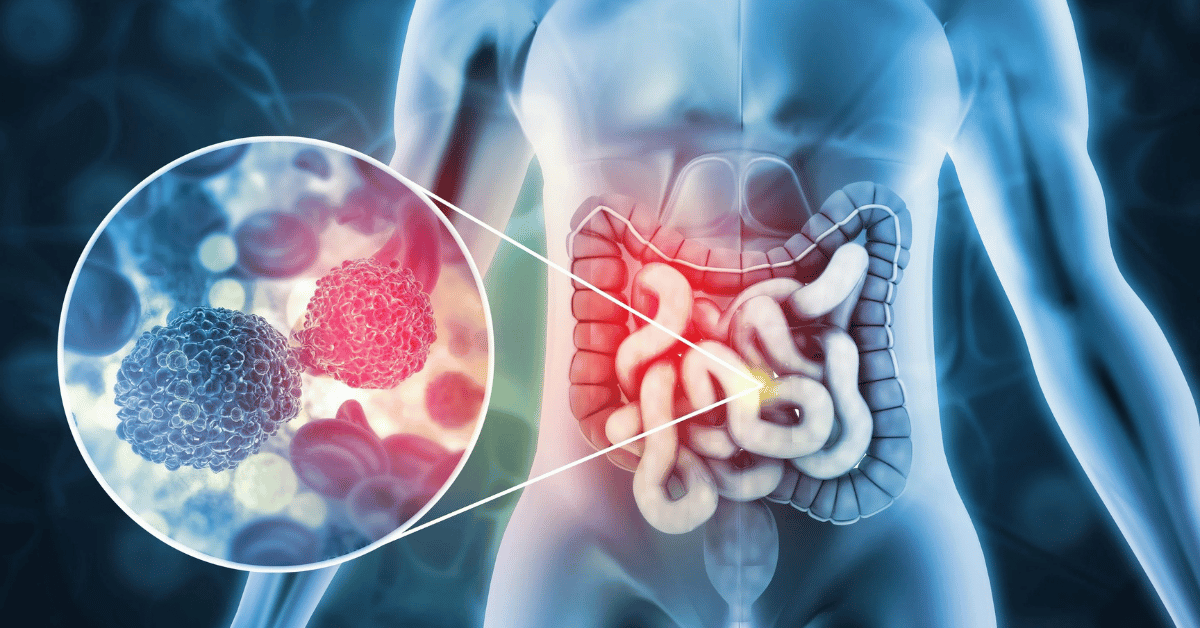
Colon cancer is a serious but treatable disease that starts in the large intestine, or colon. Most frequently, it starts with very small, non-cancerous growths called polyps. In its earliest…
Obesity is not being in shape or appearance. It is a condition that affects individuals and communities in the future. Obesity is defined when one’s Body Mass Index is 30…
A hepatologist is a doctor who is trained in all aspects of the liver. That's everything from diagnosing and treating liver diseases, and those of the pancreas, gallbladder, and bile…
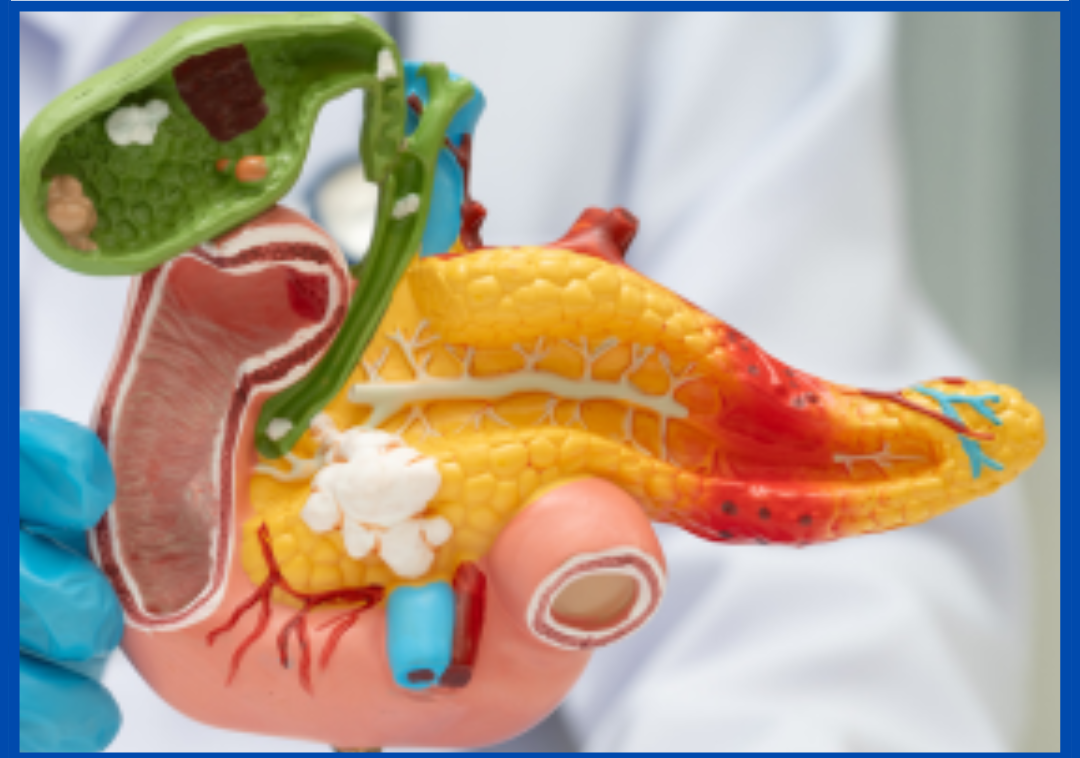
Gallbladder stones are hard, small structures that form inside your gallbladder. A small organ located just beneath your liver. The liver makes a digestive juice called bile to help you…
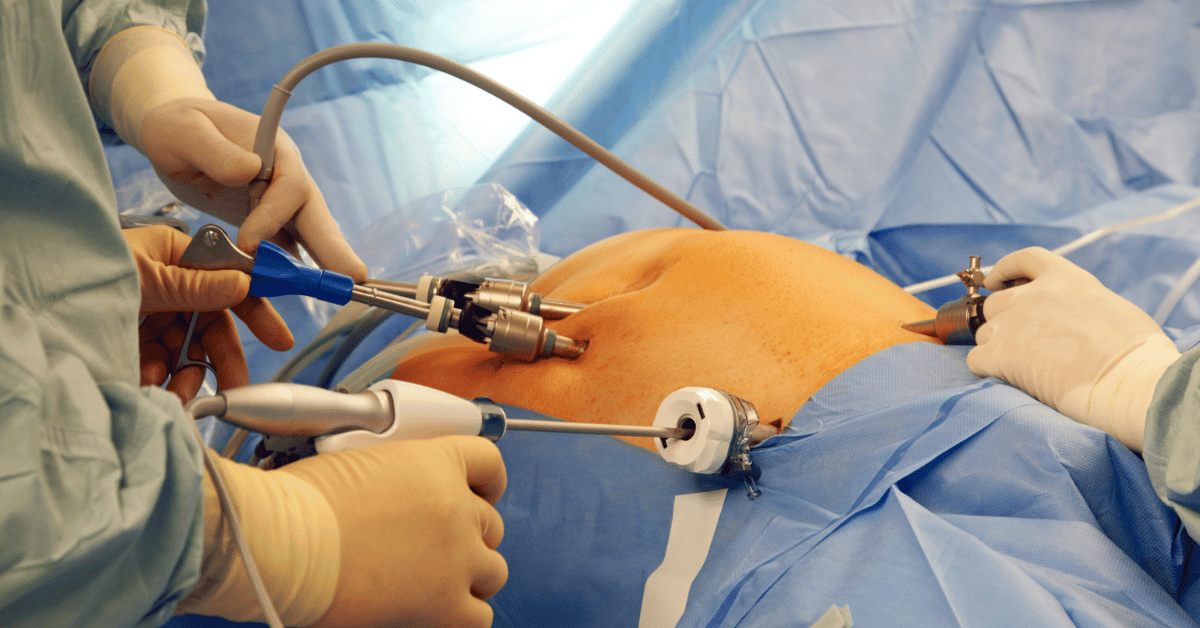
In the world of medical advancements, robotic surgery has become a game-changer, revolutionizing how we approach complex procedures. One of the most impressive applications of robotic technology is in pancreatic…