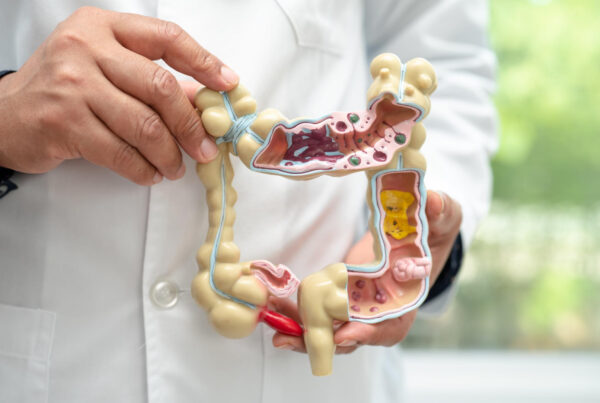

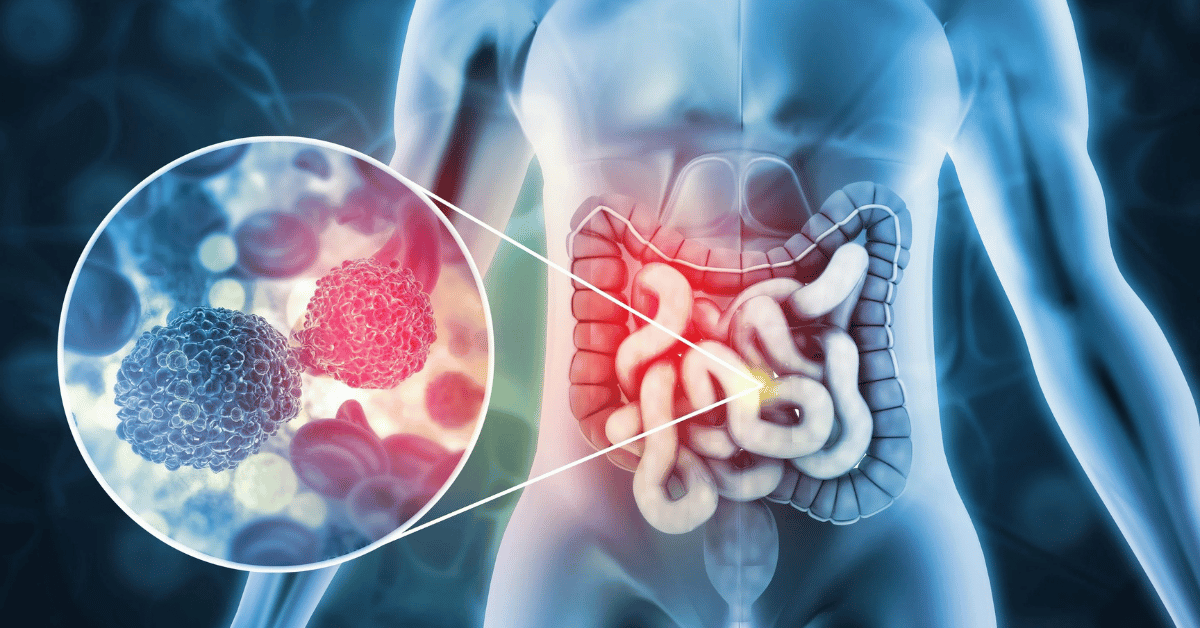

Colon cancer is a serious but treatable disease that starts in the large intestine, or colon. Most frequently, it starts with very small, non-cancerous growths called polyps. In its earliest forms, these polyps may not be a concern, but some of these develop cancer at a later time if not watched for. Good news: Colon cancer can be cured very effectively if caught early. That’s why it’s important to be aware of symptoms, risks, and why screening is a necessity.
Common Symptoms You Shouldn’t Ignore
Changes in your bowel movements can be one of your earliest warning signs. This might be constipation, diarrhoea, or a difference in what your stool feels or what it looks like. If these symptoms last for more than a few weeks, you must begin to take them seriously.
Another warning sign is bleeding from the rectum or blood in the stool. This doesn’t necessarily mean you have cancer, but you shouldn’t ignore a warning of this nature. A small number of people also experience a condition of the stomach including cramps, bloating, gas, or a lasting sense of discomfort.
You can also have a sense that your bowel doesn’t effectively empty after you’re finished on the toilet. This, along with excessive weakness or tiredness, can be signs that something is not right in your body. Unintentional weight loss without a change in your program of exercising or dieting is also a symptom that needs a physician.
Know the Risk Factors
Age plays a big role. Most people who are diagnosed are over 50. If you’ve had colon cancer or polyps in the past, your chances of getting it again are higher. A family history of the disease can also put you at greater risk.
Other reasons include inflammatory bowel diseases like ulcerative colitis or Crohn’s. Lifestyle also comes into it. A fatty and low-fibre diet, obesity, lack of regular exercise, smoking, and having diabetes can all increase the risk of colon cancer.
Early Detection Can Save Lives
Screening can find colon cancer prior to the cancer spreading or even prior to its development. A colonoscopy allows doctors to look at the entire colon through a camera on a pliable tube. A sigmoidoscopy only looks at the lower part of the colon and is less time-consuming.
Stool tests like the FOBT (Faecal Occult Blood Test) or FIT (Faecal Immunochemical Test) can also detect hidden blood in your stools. They are simple but powerful tools for early detection.
Final Thoughts
Getting educated and acting early can be a lifesaver. If you ever experience some unusual symptoms or you have a family history of colon cancer, never hesitate to discuss with a doctor. Check-ups and periodic screening can diagnose the disease at an early stage and cure it easily. Taking care of your colon health today can save you tomorrow.