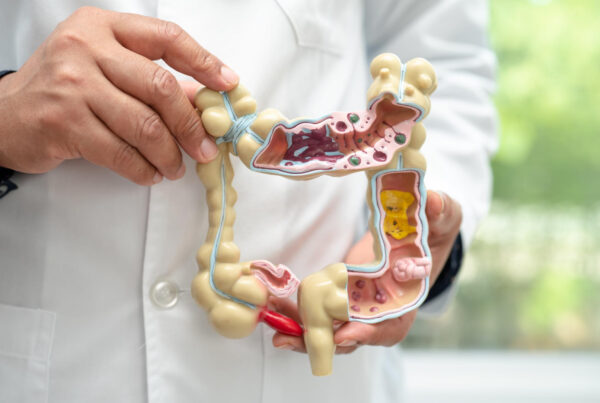



A hepatologist is a doctor who is trained in all aspects of the liver. That’s everything from diagnosing and treating liver diseases, and those of the pancreas, gallbladder, and bile ducts. Since all of these organs are closely related by the system of digestion, an illness in one of them can often spread to the rest. That’s why a professional who’s trained in the whole system is required.
Thus, whenever your regular doctor finds something anomalous in your liver reports or scans, you can be certain that you will be sent to a hepatologist for more studies.
Common Liver Issues They Treat
Liver specialists treat a wide range of diseases of the liver. A few of the most common conditions are:
- Hepatitis A, B, and C: These are viral infections which affect the liver directly and range from mild to severe.
- Cirrhosis: Long-standing liver injury, most often secondary to repeated insult or alcohol abuse.
- Fatty Liver Disease (NAFLD/NASH): Liver fat accumulation, characteristic of people who have diabetes or who are obese.
- Autoimmune Liver Diseases: Including primary biliary cholangitis (PBC) or primary sclerosing cholangitis (PSC)
- Liver Cancer (Hepatocellular Carcinoma): A very dangerous condition requiring immediate intervention and special therapy.
- Genetic and Metabolic Issues: Involving hemochromatosis (iron overload) or Wilson’s disease (storage of copper).
- Alcohol-Related Liver Disease: Damage to the liver by chronic alcohol consumption.
When to See a Hepatologist?
Usually, your general physician would advise you to see a liver specialist in case of symptoms of liver problems. Some of these telltale signs include:
- Abnormal liver function tests on your blood work
- Lack of energy that doesn’t disappear
- Dark urine or pale stools
- Yellow colouration of the eyes or skin (jaundice)
- Pain or swelling in the stomach area
- Abnormal findings on a CT or ultrasound scan
If you have had any of these symptoms or already have an existing liver condition, it’s better not to delay the visit.
What Takes Place on Your Initial Visit?
Your first visit typically begins with an in-depth discussion. Your hepatologist will want to know about your way of living, eating habits, medications you currently take, and what you’re experiencing. You might also be required to have some new blood work or imaging. A liver biopsy can sometimes be suggested to more accurately determine what stage of the disease.
Treatment plans can include modifications to your way of living, medicines, and, in extreme situations, a liver transplant. Follow-ups are highly regular because of the necessity to closely monitor liver performance. They can also work with dieticians or transplant departments, depending on your case.
Conclusion
Your hepatologists are the key to a healthy liver. Whether it is treating infections, managing chronic diseases, or assisting you through a period of recuperation, their services can be a lifesaver. If you notice something is not quite right or your reports suggest issues, don’t wait. That’s the time when early intervention can drastically change the trajectory for the better.