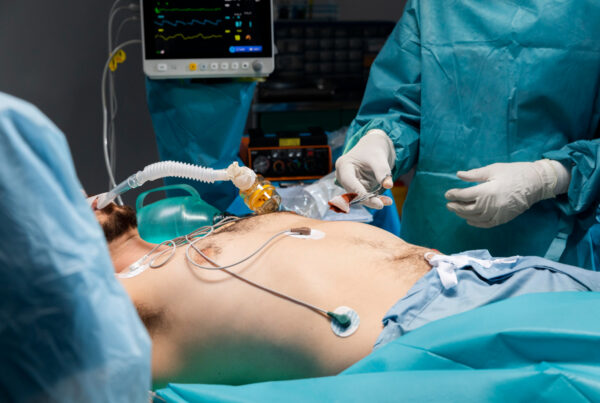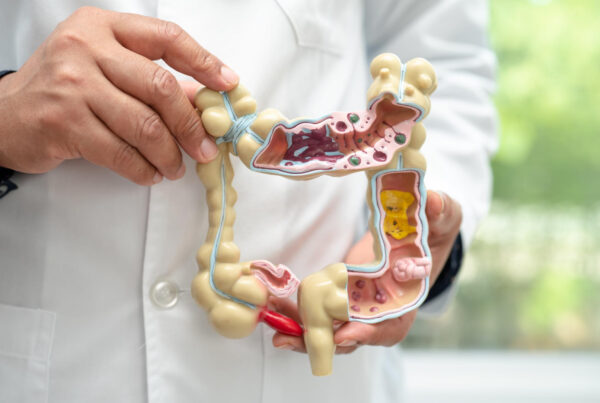


Weight loss surgery, also known as bariatric surgery, has changed dramatically in the last few decades. From once being called a risky last resort, it is now known to be a complex and safer option for people with morbid obesity and related health complications. Evolution from open to minimally invasive and robot-based surgery indicates how innovation improved outcomes.
The History of Bariatric Surgery
The history of surgical weight loss begins in the 1950s with surgery like the jejunoileal bypass. These surgeries did reduce weight, but they were accompanied by severe complications. Safer surgeries like sleeve gastrectomy, and Roux-en-Y gastric bypass have made these historical procedures obsolete.
Bariatric therapy became more minimally invasive with the advent of laparoscopic surgery. Surgeons were able to employ smaller incisions , reducing scarring, pain and recuperation times. This evolution was a major step that made weight loss surgery far more accessible and more effective for patients.
The Advent of Robotic Bariatric Surgery
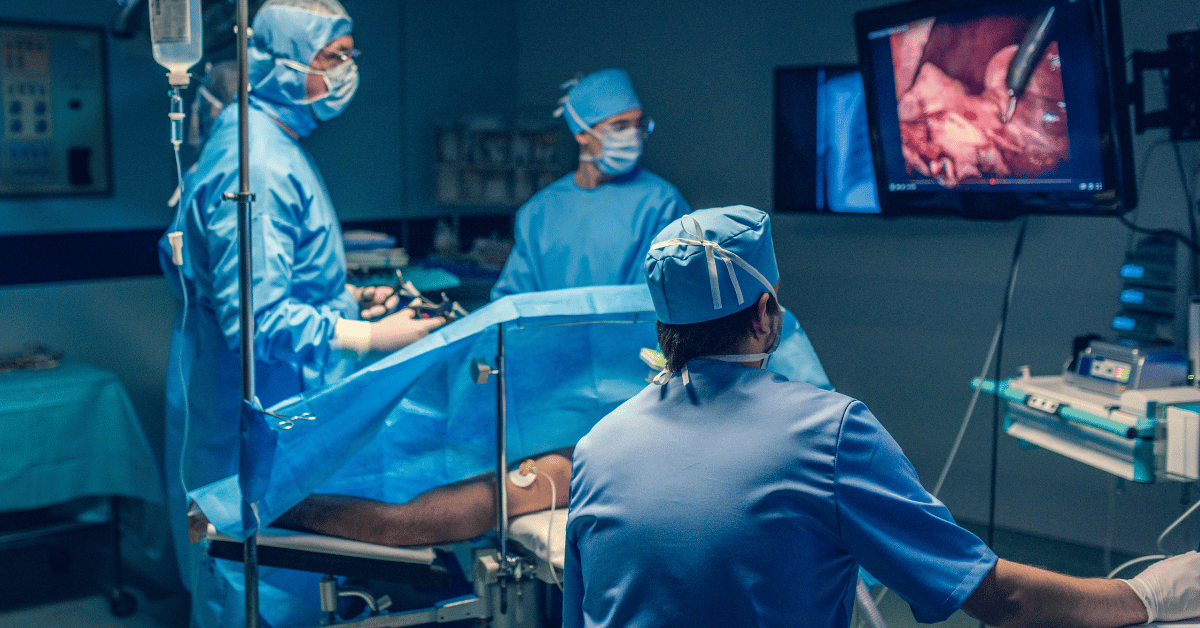
The latest leap in the field of bariatrics is robotic surgery for bariatrics. This technique uses advanced robotic systems to offer surgeons greater precision, versatility and control in surgery. This technology enables surgeons to visualise in three dimensions in high-definition so that complicated procedures are performed with utmost precision.
Because of its advanced design, robotic surgery achieves with minimal incisions, minimal blood loss, and minimal trauma to adjacent tissues. Surgeons also experience decreased pain, faster recovery, and shorter in hospital stay compared to open surgery.
Key Advantages of Robotic Surgery
- Accuracy and Preciseness: These systems mimic the natural hand motion and offer a zoomed-in view in surgery. This increases precision and reduces complications.
- Minimally Invasive Technique: As they create fewer and smaller incisions, robotic surgery causes less tissue destruction. Recovery occurs earlier, and patients get back to normal sooner in life.
- Enhanced Recovery: Obesity surgery performed through minimally invasive robotic surgery usually requires minimal trips to the hospital. Lower pain and shorter post-operative recovery periods facilitate higher patient satisfaction.
What the Future Holds?
Despite the promising potential of robotic bariatric surgery, each patient presents uniquely. We must account for body mass index, health, and prior surgery in reaching the ideal approach. Consultation with an experienced surgeon will assist in reaching the ideal approach.
Future advancements in robotic technology will make these surgical procedures safer and more successful. With ongoing innovations, bariatric surgery will become more accessible to more patients with long-term weight management needs.
Conclusion
Bariatric surgery transitioned from being viewed as a last resort to becoming a complex and highly effective therapy technique. With robotic bariatric surgery comes a turning point where medical expertise and technology intersect towards safer outcomes and greater precision.
If you are considering weight loss surgery, Kaizen Hospital offers the latest robotic bariatric treatments with expert care. Make the first confident step towards a healthy future today and schedule your appointment now.