

Robotic Pancreatic Surgery
Robotic Pancreatic Surgery
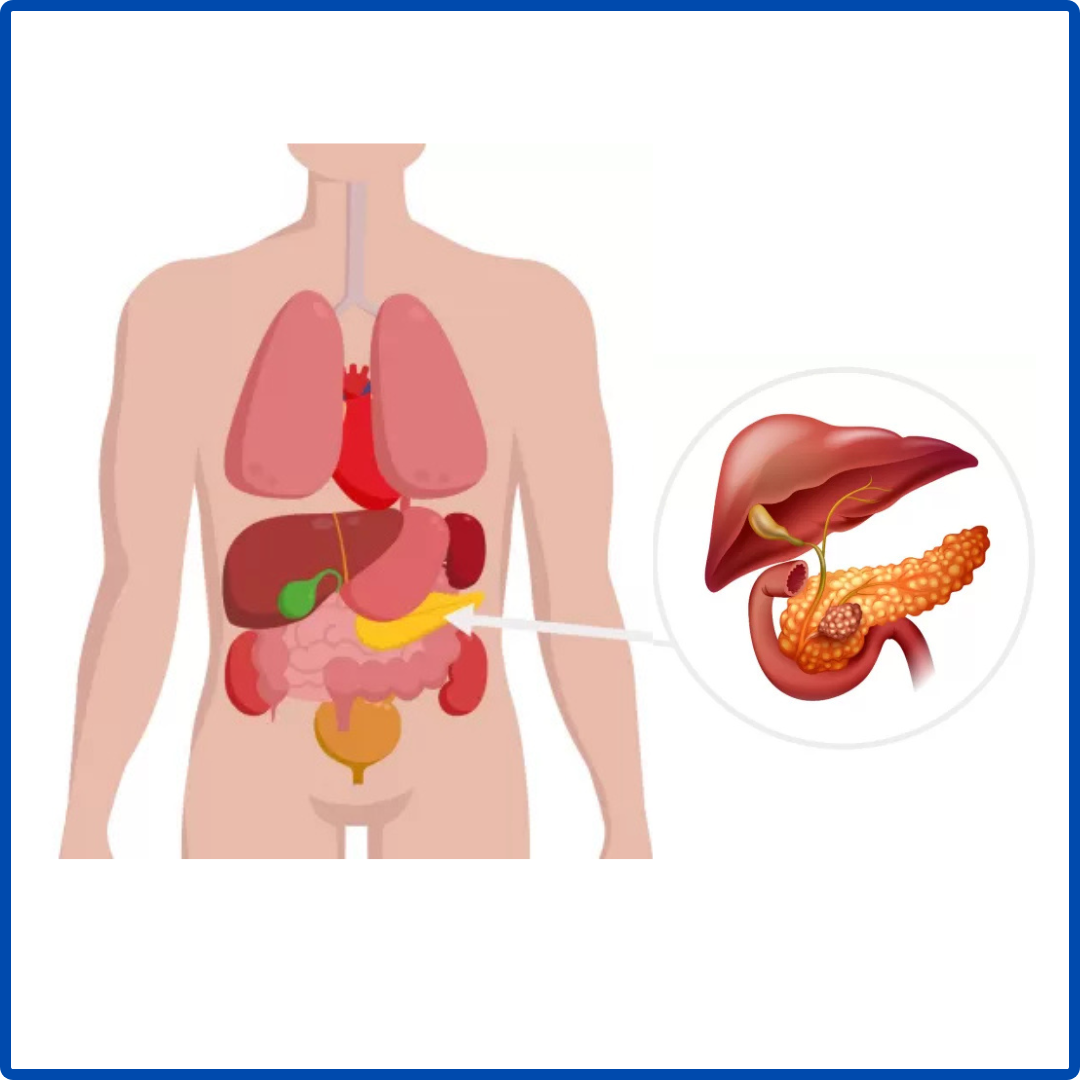
Robotic pancreatic surgery is a minimally invasive surgical technique used to treat various pancreatic conditions. It is performed using robotic-assisted systems that allow surgeons to operate with greater precision, control, and flexibility compared to traditional laparoscopic or open surgery. This technique is often used to treat pancreatic cancer, pancreatitis, cysts, and benign tumors.
Types of Robotic Pancreatic Surgery
-
Robotic Distal Pancreatectomy
-
Robotic Pancreaticoduodenectomy (Whipple Procedure)
-
Lateral Pancreaticojejunostomy (LPJ)
Robotic Distal Pancreatectomy
This surgery is performed to remove tumors located in the body or tail of the pancreas. In some cases, the spleen is also removed along with the pancreas.
- The surgeon uses the robotic system to remove the body and tail of the pancreas through small incisions.
- If necessary, the spleen may also be removed due to its proximity to the pancreas.
- Best for: Patients with benign or malignant tumors in the body or tail of the pancreas
Robotic Pancreaticoduodenectomy (Whipple Procedure)
This is one of the most complex and commonly performed surgeries for pancreatic cancer, especially for tumors located in the head of the pancreas. It involves the removal of the head of the pancreas, part of the small intestine (duodenum), bile duct, gallbladder, and sometimes part of the stomach.
- Using robotic tools, the surgeon removes the head of the pancreas along with nearby tissues.
- The remaining parts of the pancreas, bile duct, and intestine are reconnected to restore digestive function.
Best for: Patients with tumors or cancer in the head of the pancreas or the bile duct.
Lateral Pancreaticojejunostomy (LPJ)
LPJ (Lateral Pancreaticojejunostomy) is a surgical procedure used to treat chronic pancreatitis, especially when the condition is accompanied by a dilated pancreatic duct. In the context of robotic surgery, Robotic Lateral Pancreaticojejunostomy (LPJ) is a minimally invasive approach that allows surgeons to perform the procedure with enhanced precision and control.
Surgery Management
1. Pre-surgery Preparations
- Patients undergo a thorough medical assessment, including imaging tests like CT scans or MRIs, to determine the size, location, and nature of the pancreatic condition.
- Blood tests and biopsies may also be performed to evaluate pancreatic function and identify the type of tumor or disease.
2. Procedure
-
Anesthesia:
- Robotic pancreatic surgeries are performed under general anesthesia, meaning the patient is asleep and pain-free throughout the procedure.
-
Surgical Steps:
- Incisions: The surgeon makes small incisions in the abdomen to insert robotic instruments and a camera.
- Robotic Console: The surgeon operates the robotic arms from a console, controlling the movement of the instruments with precision.
- Surgery: Depending on the type of pancreatic surgery (e.g., Whipple, distal pancreatectomy), the surgeon uses the robotic tools to remove the diseased part of the pancreas and reconnect the remaining structures.
3. Post- surgery care
- The hospital stay after robotic pancreatic surgery is typically shorter than open surgery, ranging from 3 to 7 days depending on the procedure and the patient’s recovery.
- Pain after robotic surgery is usually less severe than open surgery, but patients may still experience discomfort, which can be managed with pain medications.
- After surgery, patients will initially be on a liquid diet before transitioning to soft foods.
WHY KAIZEN ?
With a vision to extend World Class healthcare solutions to the community through advances in medical technology, medical research and by adopting best man power management practices , Kaizen hospital was established in Ahmedabad in 2011.
HOSPITAL ADDRESS
132ft. Ring Road, Helmet Circle, Memnagar, Ahmedabad – 380052. Gujarat, India.
EMERGENCY( 24X7 )
Mobile: +91 – 99047 44410
Help Line : +91 – 98244 40044
+91 – 79 – 2791 4444
E-MAIL ADDRESS
contact@kaizenhospital.com