


A hernia that develops at the location of an earlier abdominal wall surgical incision is known as an incisional hernia. When tissue, such as a portion of the intestine, pushes through a weak spot in the muscles that was previously severed during surgery, this syndrome results. After abdominal procedures, incisional hernias are a frequent consequence that may appear weeks, months or even years later. Effective care and the avoidance of additional issues depend on an understanding of the origins, symptoms and available treatments. Hernia treatment in India has become extremely specialised due to developments in medical care, providing patients with a variety of efficient alternatives, including minimally invasive techniques.
What is an Incisional Hernia?
An incisional hernia is a type of hernia that occurs at the site of a previous surgical incision, where the abdominal wall becomes weak or fails to heal properly. This allows internal tissues or organs, such as the intestine, to protrude through the weakened area, forming a visible bulge under the skin.
Causes and Risk Factors
After surgery, inadequate healing or weakening in the abdominal wall are the usual causes of incisional hernias. An incisional hernia may occur as a result of several factors, such as:
- Obesity
- Older age
- Infection-related or chronic disease-related poor wound healing (like diabetes)
- Several abdominal operations
- Heavy lifting or chronic coughing that puts too much strain on the operative site
Symptoms of an Incisional Hernia
A bulge or swelling close to the location of a prior surgical scar is the most obvious sign of an incisional hernia. When standing, coughing or straining, this bulge may become more noticeable; when lying down, it may disappear. Other signs and symptoms may include:
- Pain or discomfort at the location of the hernia
- A sensation of pressure or weight in the abdomen
- Sensitivity or redness around the bulge
- In extreme situations, constipation, nausea and vomiting are signs of intestinal obstruction.
- If the blood flow ceases (strangulated) or the hernia becomes trapped (incarcerated), it may result in severe problems that need to be treated right away.
Hernia Treatment in India
Hernia Treatment in India has evolved significantly, with a focus on patient safety, quick recovery and reduced recurrence rates. Since incisional hernias seldom heal on their own and can get worse over time, surgical correction is the cornerstone of treatment for these conditions.
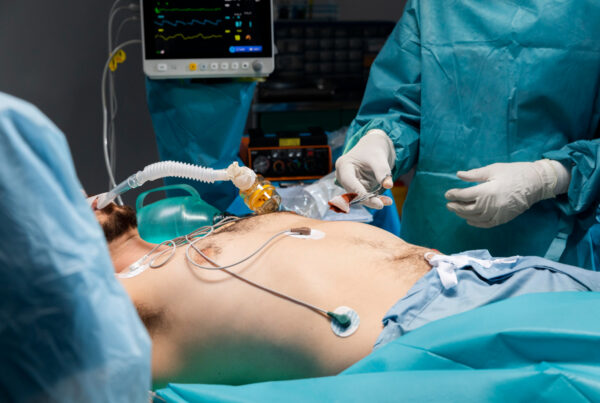
Open Procedure: An incision is made over the hernia site, the protruding tissue is repositioned, and the abdominal wall is reinforced with stitches or a synthetic mesh in traditional open surgery. Although it might take longer to heal, this technique works well, particularly for large or complicated hernias.
Laparoscopic Hernia Surgery: Because of their many advantages, less restrictive procedures like laparoscopic hernia surgery in Ahmedabad have become more and more popular. This method involves making tiny incisions and fixing the hernia from the inside using a laparoscope, which is a thin tube equipped with a camera. In order to strengthen the abdominal wall and lower the chance of recurrence, mesh is frequently used. Laparoscopic surgery has a number of benefits.
- Less scarring and smaller incisions
- Decreased pain following surgery
- Reduced length of hospital stays
- A quicker return to regular activity
Conclusion
With prompt diagnosis and suitable surgical treatment, incisional hernias are a treatable ailment. Patients can anticipate efficient treatment and an enhanced quality of life with innovative techniques like Laparoscopic Hernia Surgery in Ahmedabad and skilled Hernia Treatment in India.
Visit Kaizen Hospital for knowledgeable surgical solutions and all-encompassing treatment.