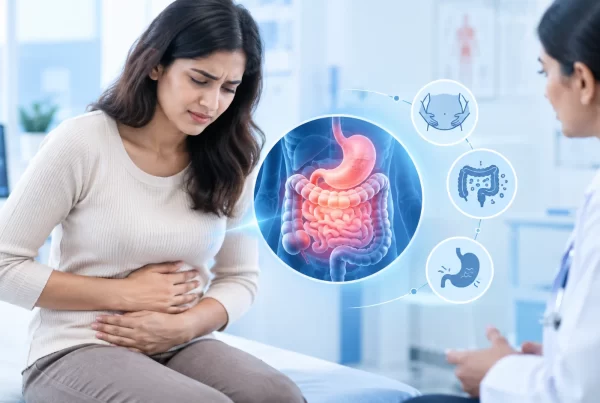


Gallbladder stones are hard, small structures that form inside your gallbladder. A small organ located just beneath your liver. The liver makes a digestive juice called bile to help you digest fats. The gallbladder simply stores bile. The stones range in size from smaller than a grain of salt to as large as a golf ball. Even though most people don’t even realize they’ve had them, gallstones are excruciatingly painful and cause problems when they block the bile ducts.
What Leads to Gallstones?
Gallstones are generated by numerous factors. Amongst them, one of the most common causes is increased cholesterol in bile. If bile contains excessive cholesterol, it tends to harden and create stones. Another causative agent is excessive bilirubin, generated when the red blood cells are destroyed in the liver. High levels of bilirubin tend to form pigment stones.
Sometimes, concentrated bile is at fault. The bile becomes thick, and stones appear when your gallbladder stones is not emptied often enough or at all.
Here are some others that put you at higher risk for having gallstones:
- Obesity
- Quick weight loss
- High-fat, high-cholesterol diet
- Family history of gallstones
- Diseases like colitis or diabetes
- Having been pregnant or being on hormone treatment
Symptoms That Must Be Addressed
Gallstones are not necessarily a trouble-making condition. But when they are, watch for these symptoms:
- Sharp pain in or to the right of the abdomen’s center, usually after eating
- Nausea or vomiting and abdominal discomfort
- Jaundice occurs when your skin or eyes turn yellow due to a blocked bile duct
- Fever and chills, which might be due to infection within the gallbladder
What Can Be Done?
Treatment depends upon the stone size, symptoms, and overall health.
- Wait and watch: If you don’t have symptoms, your doctor might suggest keeping close track of them.
- Medications: There are some tablets that can make cholesterol stones dissolve over time.
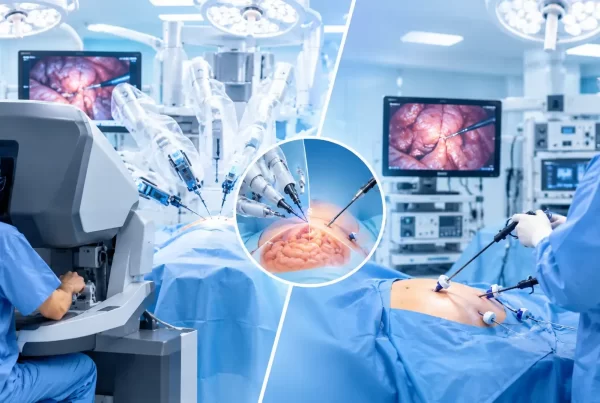
- Surgery: The most common repair is a laparoscopic surgical procedure to remove the gallbladder.
- Endoscopic procedures: ERCP can be performed to remove stones in bile ducts without surgery.
Even when you get your gallbladder taken out, your liver still produces bile that directly goes to your intestine. Your food continues to be digested normally for most people, with some minor bowel habit changes.
Conclusion
Gallbladder stones are more common than you’d think, and they’re painful but treatable. If you notice anything, it’s best that you get to a doctor early and talk about what’s best for you. For expert care and guidance, consult the specialists at Kaizen Hospital.