
Most people don’t think much about their liver,until something goes wrong. It quietly works in the background every single day filtering toxins, helping digest food, balancing sugar levels, and supporting immunity. When the liver starts to struggle, the body slowly sends warning signals. Understanding the stages of liver disease can help people recognize problems early and seek the right liver disease treatment before serious damage occurs. Let’s break it down in simple terms.
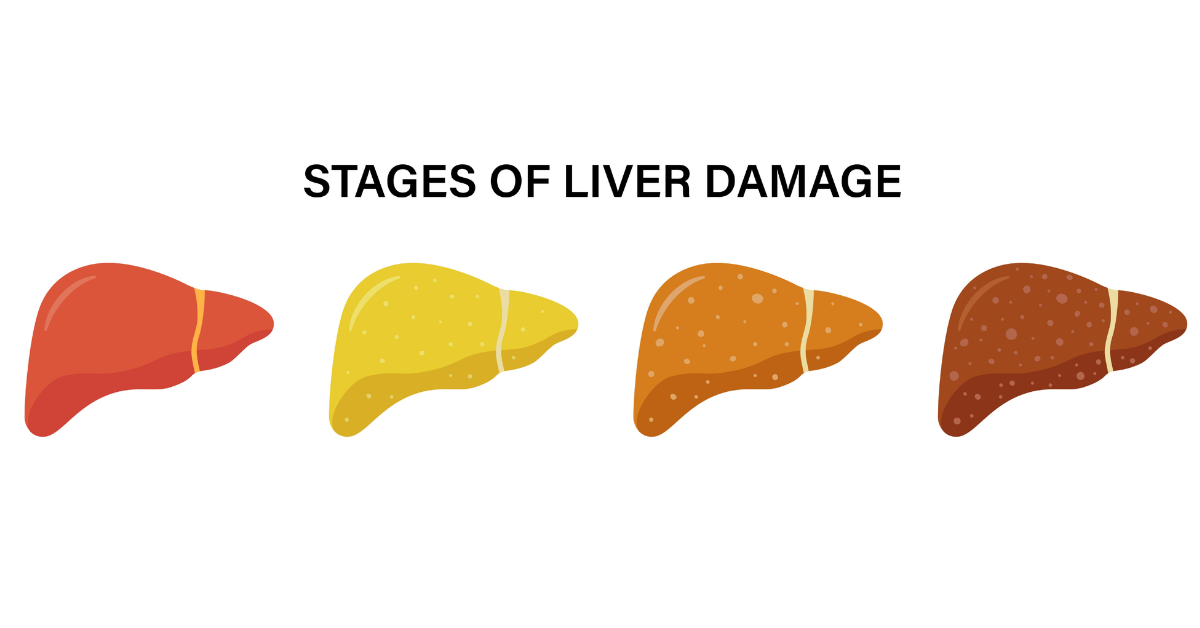
The Stages of Liver Disease
Inflammation (Hepatitis)
The earliest stage of liver disease usually begins with inflammation. Doctors often call this hepatitis. At this point, the liver becomes swollen as it tries to fight infections, toxins, or alcohol damage.
Some people don’t notice any symptoms at first. Others feel constant fatigue, mild abdominal discomfort, nausea, or loss of appetite. Sometimes the skin or eyes may turn slightly yellow (jaundice).
The good news? At this stage, the liver still has a strong ability to heal itself if the cause is treated early.
Fibrosis
If inflammation continues for a long time, scar tissue begins to form inside the liver. This stage is known as fibrosis.
Think of it like small patches of damage replacing healthy liver tissue. Blood flow through the liver becomes less efficient, and the organ slowly struggles to do its job.
Common signs may include weakness, unexplained weight loss, fluid buildup in the abdomen, or persistent nausea. The liver can still function, but it’s under pressure.
Proper Liver Disease Treatment at this stage can often slow down or stop further damage.
Cirrhosis
Cirrhosis happens when scar tissue spreads extensively throughout the liver. By now, large parts of the liver have hardened, and healthy cells are significantly reduced.
Symptoms tend to become more noticeable. People may develop yellow skin, easy bruising, swelling in the legs, spider-like blood vessels on the skin, or severe fatigue.
Here’s the tricky part that damage from cirrhosis is usually permanent. Doctors focus on preventing further injury and managing complications.
End-Stage Liver Disease
At this stage, the liver struggles to perform its essential functions. Conditions like advanced cirrhosis or chronic liver failure fall under this category.
Patients may experience severe abdominal swelling, confusion caused by toxin buildup in the brain, leg swelling, and internal bleeding from abnormal blood vessels.
Medical supervision becomes critical here, and in some cases a liver transplant may be the only long-term solution.
Liver Failure
Liver failure is the most serious stage. The liver can no longer perform vital tasks such as removing toxins from the blood or producing important proteins.
Symptoms can include severe weakness, vomiting blood, breathing problems, confusion, and extreme jaundice. Immediate medical care is necessary.
When liver problems are detected early, the right Liver Disease Treatment can make a huge difference.
Hospitals with specialized gastroenterology care, such as Kaizen Hospital in Ahmedabad focus on diagnosing liver conditions early and providing advanced treatment options to prevent long-term complications. Explore the health package here and book your appointment today!
Frequently Asked Questions
Q.1. Can liver damage actually heal, or is it permanent?
It really depends on where things stand. Early on, when it’s just inflammation or some fibrosis, the liver can bounce back once you deal with what’s causing it. Once you’re into cirrhosis, though, that scarring is there to stay — the focus shifts to stopping things from getting worse.
Q.2. What’s the real difference between fibrosis and cirrhosis?
Fibrosis is patchy scarring, and the liver still gets its job done despite it. Cirrhosis is a few steps further, where that scarring has spread so much that the liver becomes stiff and struggles to function properly.
Q.3. How fast does liver disease move from one stage to the next?
Honestly, there’s no set clock on this one. Someone drinking heavily or living with untreated hepatitis might see damage build up over years, while someone who catches it early might never move past the first stage at all.
Q.4. Does cirrhosis always mean you’ll need a transplant?
Not necessarily. Plenty of people manage cirrhosis for years with regular checkups and the right medication. A transplant usually only comes up once the liver can no longer keep up with its basic work.
Q.5. What symptoms mean I shouldn’t wait to see a doctor?
Yellow skin or eyes, swelling in your belly or legs, confusion, or throwing up blood — these aren’t things to sit on. They usually mean the liver needs attention right away.