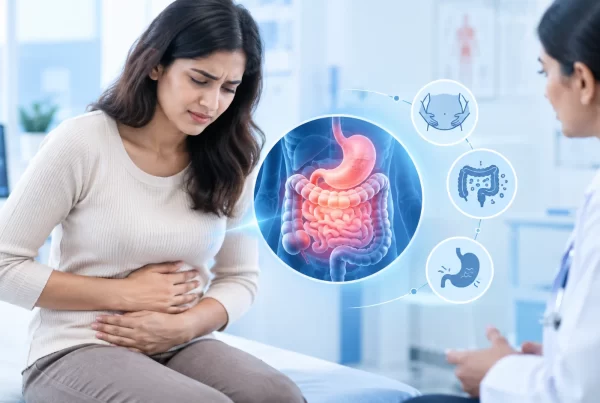


Ulcerative Colitis (UC) is an ongoing condition that inflames the lining of your large intestine, or colon, and makes your colon develop ulcers. It is part of the group of diseases known as inflammatory bowel disease (IBD). What is wrong here is that your immune system just goes a bit haywire and starts attacking your colon by accident. This can bring about a fair number of painful symptoms, including bloody diarrhoea, tummy pain, and fatigue. Although there is no cure, there are numerous treatments available to help control the condition and enable you to lead an active, fulfilling life.
What is Ulcerative Colitis?
We don’t know what the exact cause of Ulcerative Colitis is, but various factors seem to play a part:
- Family history: Your chances of being diagnosed with IBD are greater if other individuals in your family have IBD.
- Problems with the immune system: Your body’s defense system attacks the inner lining of your gut by mistake, leading to pain and inflammation.
- Environmental influences: Not proven but possible, such as diet, stress, and past infections could trigger off or worsen symptoms.
Different Types based on where It Strikes
- Ulcerative Proctitis: Inflammation is limited to the rectum. Bleeding from the rectum and minimal pain may be symptoms.
- Proctosigmoiditis: It involves the rectum and lower colon. Anticipate cramps, diarrhoea of blood, and frequent visits to the.
- Left-sided Colitis: Inflammation goes to the left of the colon. You could have pain on the left side of your tummy as well as frequent bloody diarrhoea.
- Pancolitis: It is an involvement of the whole colon. It can cause profuse diarrhoea, weight loss, lethargy, and severe abdominal pain.
Signs to Watch Out For
- Persistent diarrhoea (typically bloody)
- Abdominal pain and cramps
- Rectal pain and bleeding
- A perpetual necessity to rush to the loo, even if nothing is expelled
- Abnormal weight loss
- Fatigue all the time
How It’s Treated?
Treatment aims to decrease the inflammation, ease your symptoms, as well as prevent complications:
- Aminosalicylates (5-ASAs): These reduce swelling in your colon.
- Corticosteroids: Given short-term for flare-ups to quickly reduce inflammation.
- Immunomodulators: These take longer to work but balance your body’s immune system in the long term.
- Biologics: Targeted drugs that have an impact on specific elements of your immune response.
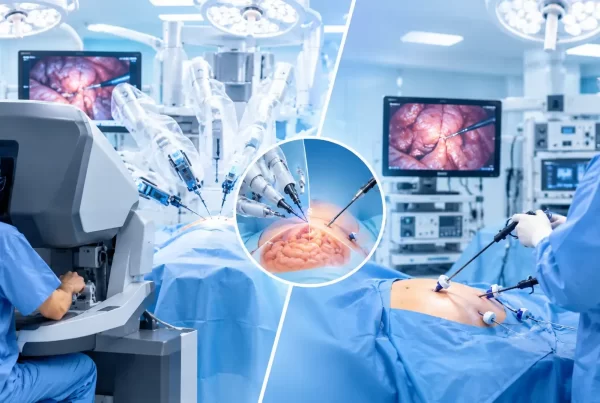
- Surgery: As a last resort, all or part of the colon might have to be surgically excised.
Conclusion
Find the Right Help Early. Ulcerative Colitis can be a long-standing condition, but it does not have to dictate your life. Most individuals, however, can manage just great with the proper care. Early treatment, appropriate drugs, and a couple of changes to your way of life can make all the difference. If you or your family member is showing symptoms of UC, act quickly.
Kaizen Hospital offers detailed diagnosis and personalised treatment plans to cure you and maintain you. Book your appointment now and take control of your gut health.