
Groin pain is one of those disorders that can baffle pretty much everyone. Sports individuals, gym enthusiasts, and even people who do weight lifting at the office are usually at a loss to describe if the pain is a result of a hernia or just muscle strain. Although both hurt the same area, the cause, treatment, and long-term effects differ a lot.
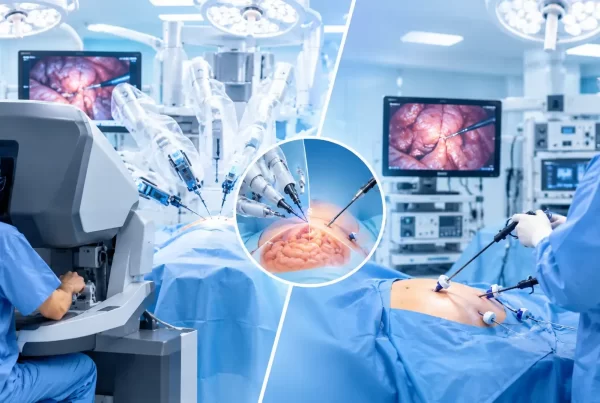
Obtaining knowledge about the difference is imperative as it allows timely intervention and correct treatment. Owing to the advanced options available like Robotic Hernia Surgery in Gujarat, the identification of the problem at the onset makes the recuperation simpler and safer.
What Is a Hernia Anyway?
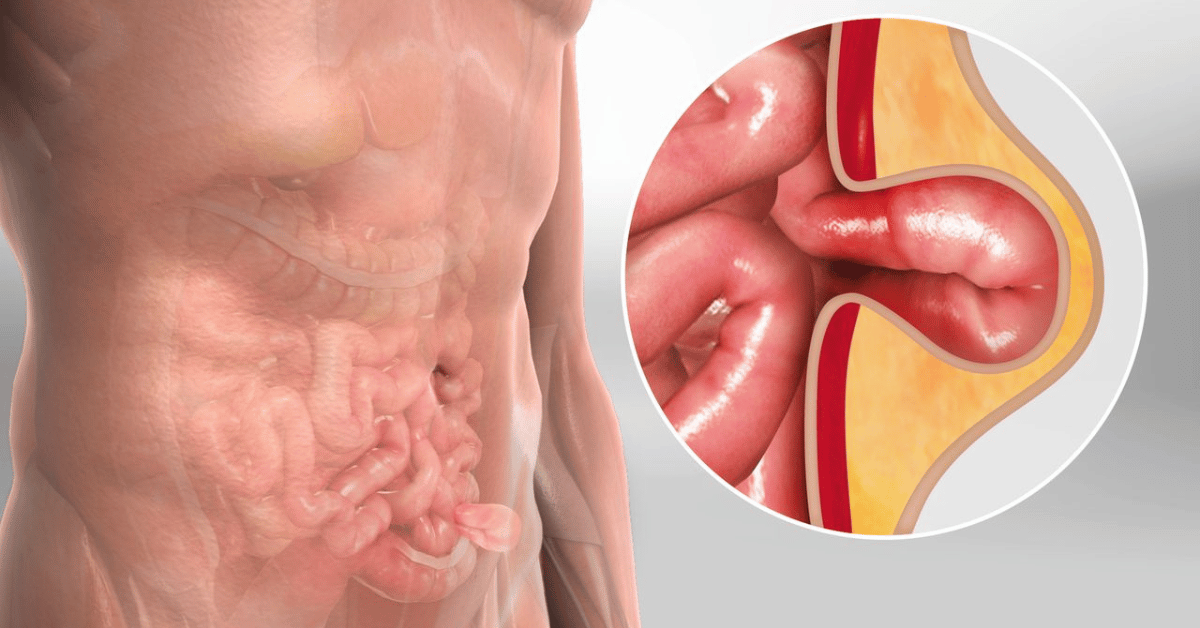
A hernia develops when tissue or an internal organ pushes through a weak spot in the muscle that is right next to it. The most common in the groin region is an inguinal hernia, when part of the intestine or abdominal tissue pushes through the abdominal wall. It may be the result of heavy lifting, chronic coughing, overweight or obesity, or even heredity.
Signs to Watch Out For:
- Swelling on the lower abdomen or groin that gets bigger when you stand or strain.
- Soreness or pain when lifting, or bending, or coughing.
- Feeling of pressure or weight in the groin.
- Extreme forms may involve nausea or vomiting, which is indicative of a strangulated hernia.
What Is a Pulled Groin Muscle?
A pulled groin muscle or groin strain happens when you strain the muscles inside your inner thigh. It most frequently happens during activities that involve rapid movements, kicking, or running.
Typical Symptoms Include:
- Sudden severe pain in the groin or inner thigh.
- Swelling or bruising or redness or pain.
- Difficulty moving legs or getting legs together.
- Stiffness or weakness of the affected muscle.
Finding the Key Differences
Even though muscle strains and hernias both cause groin area pain, various factors help distinguish them:
- Pain Location: A hernia will typically appear as a bulge in the lower abdomen or the groin. A strain will most often hurt the inner thigh.
- Onset: The onset of hernia pain may be sudden or gradual, particularly following strain. Most muscle pulls begin shortly after the aggravating activity.
- Physical Signs: A hernia usually has a palpable or visible bulge that differs from a strain.
- Triggers: The hernia pain aggravates upon coughing or lifting, whereas muscle pain aggravates upon stretching or movement of the leg.
Diagnosis and Treatment
First comes getting the right diagnosis. Doctors may suggest an MRI or ultrasound or physical examination.
- Pulled Muscle: Rest, ice, compression, medicines, and physiotherapy usually work. Most people recover within weeks.
- Hernia: Surgery is generally inevitable. Robotic hernia surgery in Gujarat offers a less invasive procedure, rapid recovery, and reduced risk than the standard procedure.
When to Seek Help
Do not ignore chronic groin pain, swelling, or bulge. Severe pain or nausea and vomiting should be evaluated by a doctor right away. Early care prevents complications and enables a quicker return to daily life.
Conclusion
Even while hernias and muscle strains may seem the same initially, they require very different care. Muscle strains most commonly heal with simple measures, whereas hernias most often require surgery. Owing to developments such as Robotic Hernia Surgery in Gujarat, patients today may expect safer surgery and quicker recovery. Always consult a physician at Kaizen Hospital for proper evaluation and care, specifically addressing your condition.