
Kidney stones and gallstones are two of the diseases that often befuddle patients, as they are two accumulations of solids in the body. In appearance, they may be alike, but they are quite different in causes, symptoms, and treatments. It is important to be knowledgeable about these differences to aid in acting swiftly to treat them correctly. For anyone seeking professional advice, a Proctologist in Ahmedabad can guide you with openness and personal attention.
What Are Gallstones?
Gallstones are collections of hardened material that form in the gallbladder, a tiny sac under the liver. The gallbladder stores the bile produced by the liver to dissolve fat. If the components of bile, like cholesterol or bilirubin, become out of balance, they start to grow into stones. The stones can be the size of sand to as large as a golf ball.
Causes of Gallstones
- High cholesterol or bilirubin levels in the bile
- Gallbladder not emptying fully
- Obesity, rapid weight loss, or medical conditions
Gallstones Symptoms
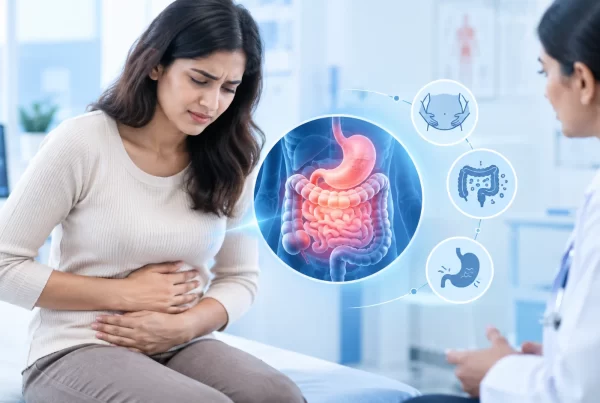
Most gallstones do not produce symptoms. If a stone blocks a bile duct, you will experience:
- Sudden onset of upper right abdominal pain
- Radiating to the right shoulder blades or between them
- Nausea and vomiting
- Jaundice, wherein the eyes and skin become yellow
What Are Kidney Stones?
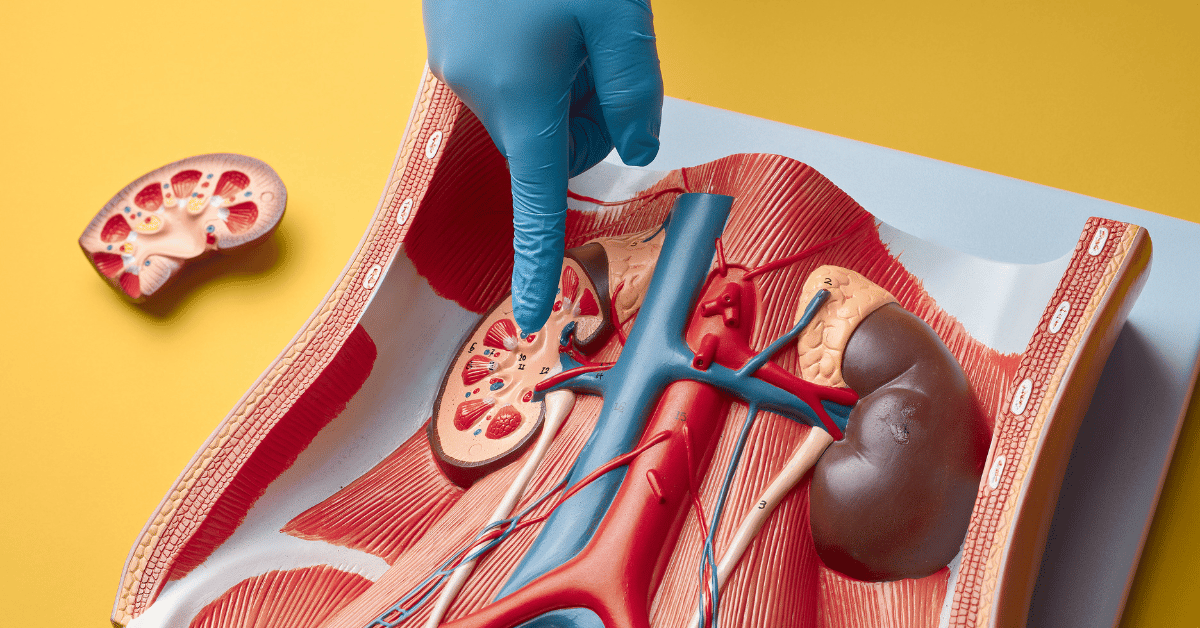
Kidney stones are crystallised masses of salts and minerals that develop inside the kidneys. The majority of stones develop when urine is concentrated and minerals crystallise. Some of the stones remain in the kidney, but others travel through to the urinary tract, causing discomfort.
Kidney Stone Prevention
- Lack of water consumption
- High salt, protein, or sugar consumption
- Certain health conditions
- Family history of kidney stones
Symptoms of Kidney Stones
If a stone enters the ureter, symptoms usually appear, including:
- Sudden, severe pain in the back, side, or lower abdomen
- Pain while urinating
- Blood in urine
- Persistent urge to urinate
- Nausea and vomiting
Key Difference between Gallstones and Kidney Stones
| Feature | Gallstones | Kidney Stones |
|---|---|---|
| Site | Gallbladder | Kidneys / Urinary Tract |
| Composition | Cholesterol, Bilirubin | Calcium, Uric Acid, Cystine, etc. |
| Symptoms | Abdominal pain, Nausea, Jaundice | Back pain, Blood in urine, Painful urination |
| Risk Factors | Sudden weight loss, Liver issues, Obesity | Dehydration, Eating disorders, Hereditary tendencies |
| Diagnosis | Ultrasound, CT scan | CT scan, X-ray, Urine test |
| Treatment | Medications, Gallbladder surgery | Medications, Lithotripsy, Surgery |
When Should You Consult a Doctor?
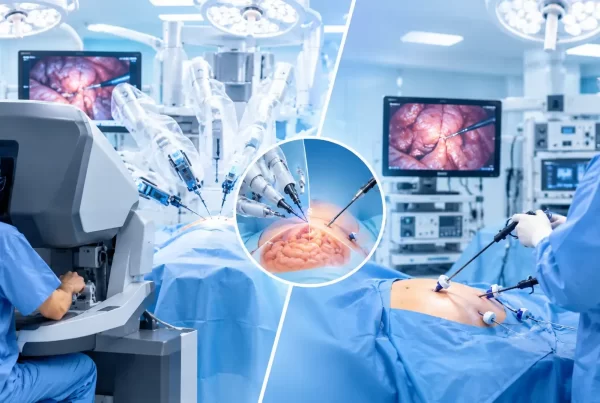
Both conditions can give rise to serious complications if neglected. Hematuria, abdominal pain for extended durations, fever, or jaundice can never be overlooked. In such cases, consulting a Proctologist in Ahmedabad guarantees accurate identification and a proper treatment regimen, whether through medication, surgery, or laparoscopic procedures.
Tips for Prevention
- Drink sufficient water daily to avoid developing kidney stones.
- Maintain a healthy weight to avoid gallstones.
- Eat a balanced diet and cut back on extra sugar, salt, and harmful fats.
- Get regular check-ups so that issues can be recognised early.
Conclusion
Although gallstones and kidney stones are stone developments, they do not originate, exhibit symptoms, or require treatment similarly. Recognising the distinctions facilitates individuals to take appropriate action at the right moment and avoid complications.
For anyone with concomitant symptoms, an expert Proctologist at Kaizen Hospital, Ahmedabad provides specialised care according to individual requirements, ensuring patients have access to appropriate and timely treatment.