

Most of us don’t really think about the esophagus. It’s just the food pipe that quietly moves every bite from the mouth to the stomach.
But when something goes wrong, even swallowing a sip of water can feel uncomfortable. That’s where Esophagus Diseases come in. These conditions affect how the esophagus works and can lead to symptoms like heartburn, chest discomfort, or difficulty swallowing.
Let’s break it down in simple terms.
Common Types of Esophageal Disorders
Several conditions fall under the umbrella of Esophagus Diseases.
GERD (Gastroesophageal Reflux Disease) is probably the most common. It happens when stomach acid flows back into the esophagus, causing that familiar burning feeling in the chest—heartburn.
Achalasia is rarer but tricky. In this condition, the muscle at the bottom of the esophagus refuses to relax properly. Food struggles to pass into the stomach.
Then there’s Barrett’s esophagus, which can develop after years of untreated acid reflux. The lining of the esophagus slowly changes, and that increases the risk of cancer.
Other disorders include eosinophilic esophagitis (often linked to allergies), esophageal spasms, strictures where the food pipe becomes narrow, and esophageal cancer.
Risk Factors to Watch Out For
Some everyday habits quietly increase the chances of developing esophageal problems.
Smoking.
Excess alcohol.
Being overweight.
Certain medications.
Frequent acid reflux.
Even pregnancy can sometimes increase pressure on the digestive system, triggering reflux symptoms.
Symptoms People Often Notice
The symptoms of Esophagus Diseases can vary depending on the condition, but a few warning signs tend to show up repeatedly.
- A burning sensation in the chest.
- Food feeling stuck while swallowing.
- Persistent cough or sore throat.
- Regurgitation of food or acid.
- Chest pain or unexplained weight loss.
Some people ignore these symptoms for months, assuming it’s just acidity. That delay can make treatment harder later.
How Doctors Diagnose and Treat Esophageal Disorders
Doctors usually start with a simple evaluation of symptoms. After that, they may recommend tests like upper endoscopy, barium swallow X-rays, or esophageal manometry to see how the esophagus is functioning.
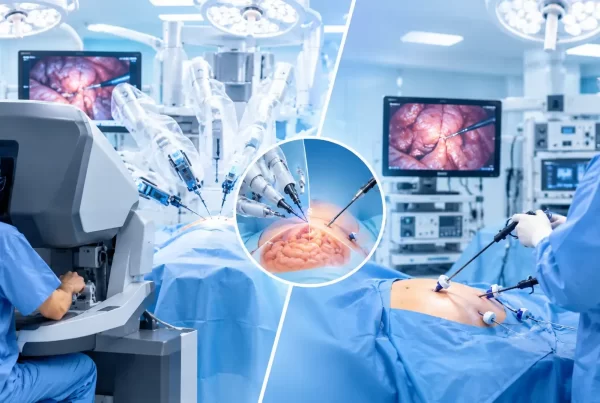
Treatment depends on the specific disorder. Sometimes medications that reduce stomach acid are enough. Other cases may require procedures like endoscopic dilation, muscle relaxation injections, or surgery to repair the problem.
Lifestyle changes help too. Eating smaller meals, avoiding late-night snacks, and cutting down on alcohol or smoking can reduce symptoms significantly.
The same applies to Esophagus Diseases. Early diagnosis and the right treatment plan can prevent serious complications and help people return to normal, comfortable eating.
For specialized care and advanced gastroenterology treatment, patients often turn to trusted medical centers like Kaizen Hospital. Book your appointment today!