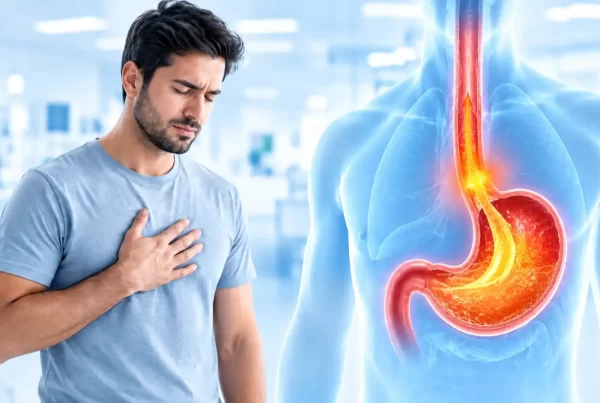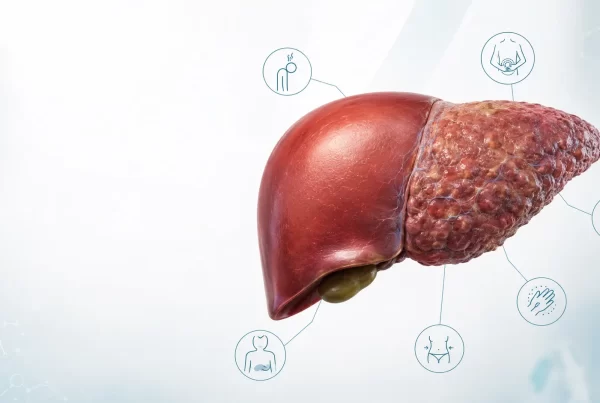

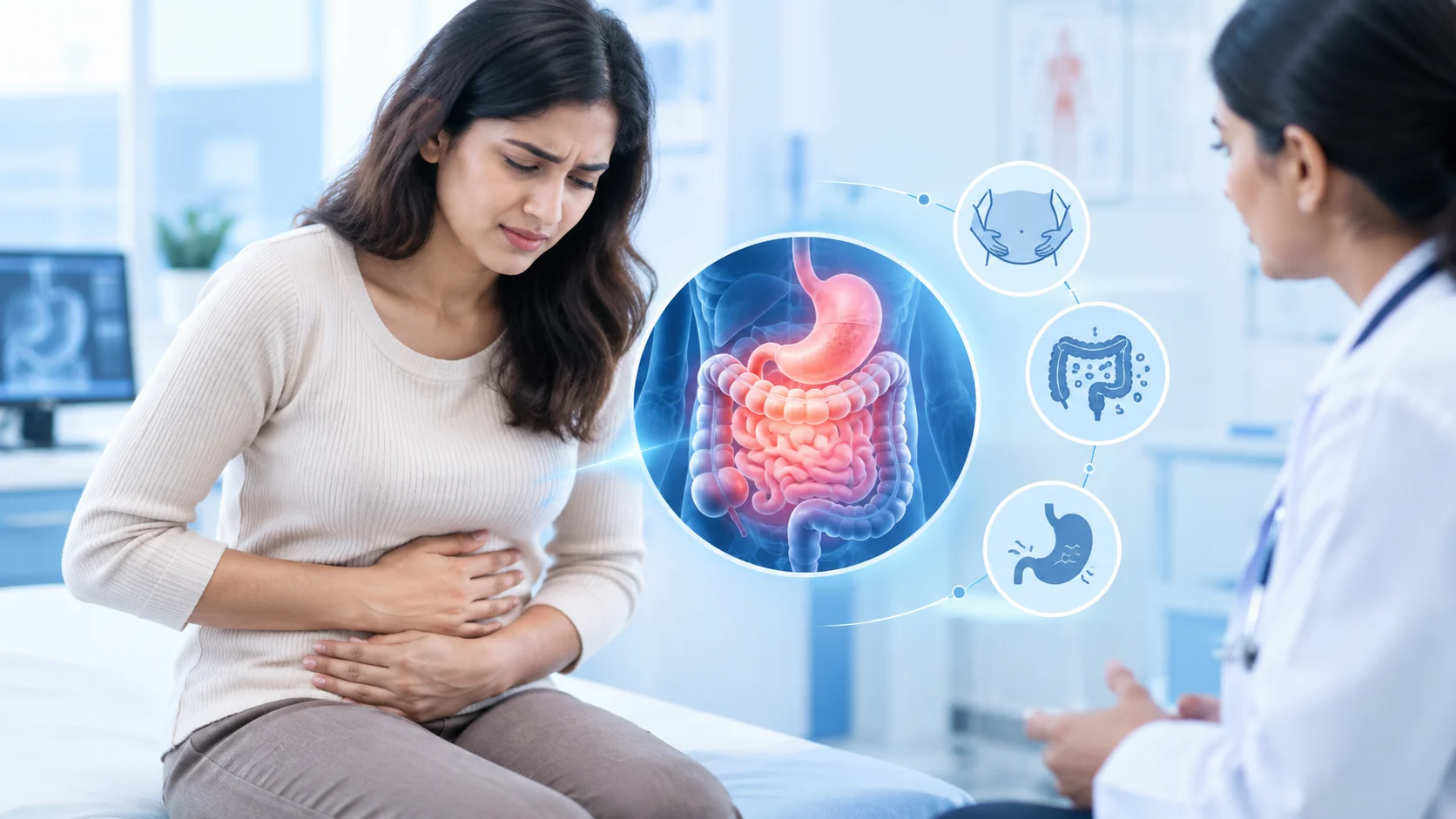

That tight, full feeling after a big meal is something almost everyone knows! But what if your stomach seems bloated again and again, even when you have not eaten much? Occasional bloating is usually harmless and can happen because of gas, certain foods, constipation, or eating too quickly. Persistent bloating, however, deserves a little more attention. When it keeps returning or comes with other symptoms, it may be time to understand your digestive system from a gastrologist in Ahmedabad.
Here’s What You Need To Know!
1) Occasional Bloating Is Often Normal
Bloating can be a normal part of digestion, especially after eating a large meal or foods that produce more gas. Beans, some vegetables, fizzy drinks, and certain carbohydrates may trigger temporary bloating in some people. Eating quickly can also cause you to swallow more air, which can add to that uncomfortable fullness. If the bloating settles after passing gas, having a bowel movement, or giving your digestion some time, it is generally less concerning.
2) Constipation Can Keep You Bloated
When bowel movements become difficult or infrequent, stool can build up in the digestive tract and leave you feeling unusually full or swollen. Constipation may also cause abdominal discomfort, straining, or a feeling that your bowel has not emptied completely. Drinking enough water, eating suitable amounts of fibre, staying active, and maintaining regular bathroom habits can help. However, ongoing constipation with persistent bloating should be discussed with a healthcare professional.
3) Food Intolerances May Be Responsible
Sometimes the problem is not the amount of food but how your body handles particular foods. Lactose intolerance, for example, can cause bloating, gas, and diarrhoea after consuming dairy products. Some people may also experience digestive symptoms after eating certain carbohydrates or other foods. Keeping a simple food and symptom diary can help identify patterns. Avoid removing large food groups from your diet without professional guidance, especially if symptoms continue.
4) Persistent Bloating Needs Attention
If bloating keeps happening without an obvious reason, becomes increasingly uncomfortable, or does not improve with simple lifestyle changes, it is worth getting checked. Persistent bloating can sometimes occur alongside conditions such as irritable bowel syndrome, reflux, food intolerance, or other digestive disorders. This does not mean every case signals a serious illness, but recurring symptoms should not simply be dismissed. A proper evaluation can help identify the cause instead of relying on guesswork.
5) Know When To See A Specialist
Bloating deserves prompt medical attention when it occurs with unexplained weight loss, persistent vomiting, blood in the stool, severe or worsening abdominal pain, difficulty swallowing, fever, or significant changes in bowel habits. If your symptoms are persistent or affecting daily life, consulting a gastrologist in Ahmedabad can help you understand what is happening. A specialist may review your symptoms, medical history, diet, and, when necessary, recommend appropriate tests.
Wrapping It Up!
Bloating after a heavy meal is usually nothing to lose sleep over. But when that uncomfortable feeling becomes a regular visitor, it deserves more than a shrug. Pay attention to when it happens, what you eat, and whether other symptoms appear alongside it. Simple changes may help occasional bloating, while persistent or concerning symptoms require professional evaluation. Listening to your digestive system early can help you find the right answers and get back to feeling comfortable.
Need expert medical care? Visit Kaizen Hospital!