
Your liver is remarkably resilient. It can continue doing its job even after years of damage, which is also what makes liver disease so easy to miss. By the time obvious symptoms appear, the condition may have already progressed.
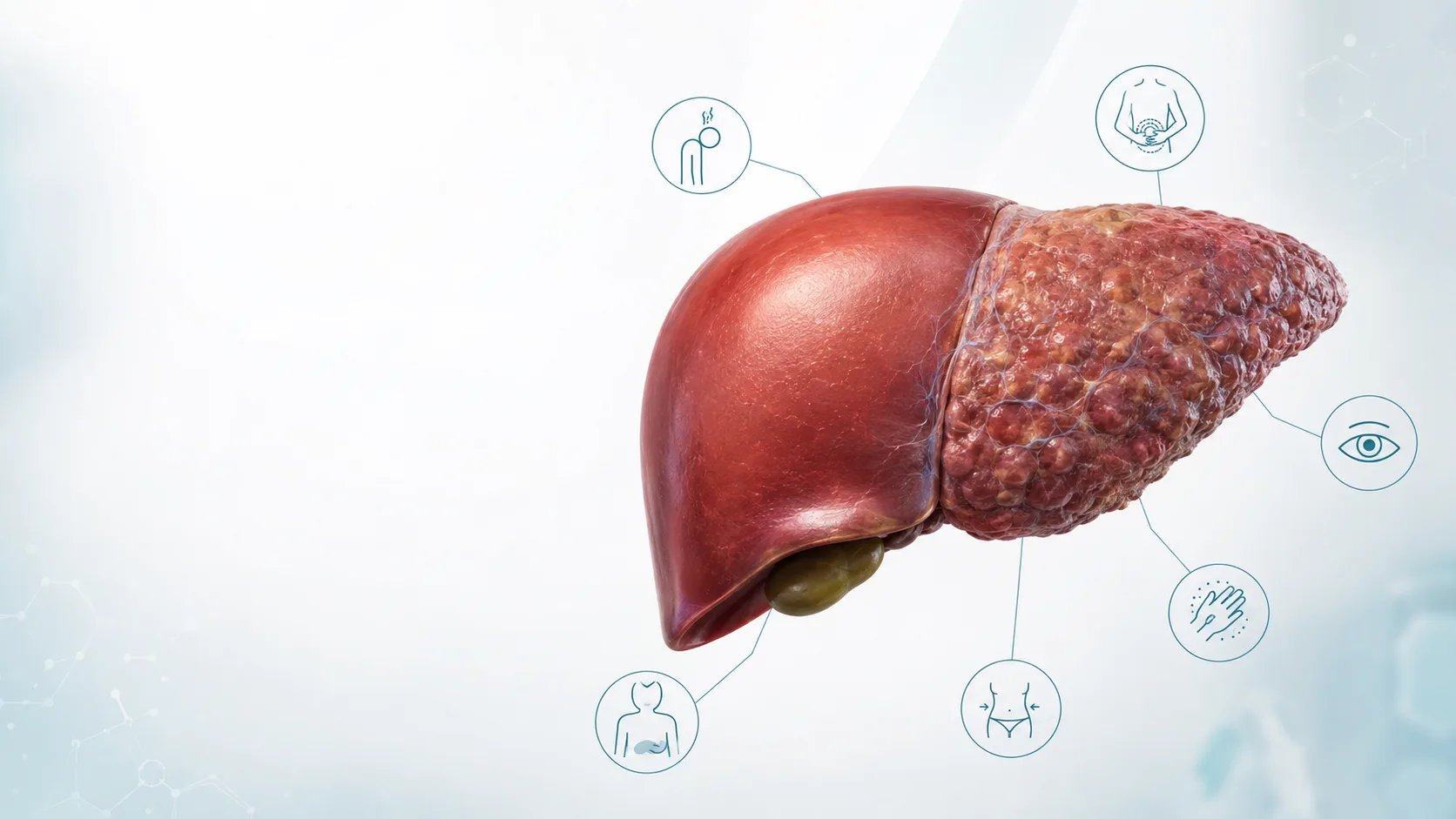
Liver cirrhosis develops when long-term liver damage causes healthy tissue to become scarred. The scarring can gradually affect how well the liver works. Spotting the early signs and getting checked can help doctors identify the cause and slow further damage.
What Causes Liver Cirrhosis?
Cirrhosis usually develops over a long period rather than appearing suddenly. Several conditions can injure the liver repeatedly, including:
- Chronic hepatitis B or hepatitis C
- Long-term alcohol-related liver disease
- Fatty liver disease
- Certain autoimmune liver conditions
- Inherited liver disorders
- Long-term exposure to some medicines or toxins
Finding the underlying cause is an important part of treatment. If you have risk factors for liver disease, speaking with a Hepatologist in Ahmedabad can help you understand which tests and follow-ups may be appropriate.
Early Signs You Shouldn’t Ignore
Early cirrhosis may cause few or no symptoms. When symptoms do appear, they’re often vague enough to be mistaken for everyday problems.
1. Constant Tiredness
Feeling unusually tired or weak, especially when it continues despite adequate rest, can sometimes occur with liver disease. Fatigue has many possible causes, so it shouldn’t be used to diagnose cirrhosis on its own.
2. Reduced Appetite
You may find yourself eating less than usual or feeling full sooner than before. Nausea can also accompany liver problems.
3. Unexplained Weight Loss
Losing weight without deliberately changing your diet or activity levels deserves attention. Chronic liver disease can affect appetite, digestion, and nutrient absorption.
4. Abdominal Discomfort
Some people experience discomfort or a feeling of fullness in the upper-right side of the abdomen, where the liver sits. Persistent discomfort should be assessed rather than dismissed as simple indigestion.
5. Itchy Skin
Persistent itching without an obvious skin-related cause can sometimes occur with liver or bile-flow problems.
6. Yellowing of the Eyes or Skin
Jaundice can cause the whites of the eyes or skin to turn yellow. It happens when bilirubin builds up in the bloodstream and can be a sign that the liver isn’t processing it properly.
Warning Signs of Advanced Liver Disease
As cirrhosis progresses, complications can become more noticeable. Swelling in the legs or abdomen, easy bruising, confusion, excessive sleepiness, vomiting blood, or black stools need prompt medical attention.
Confusion or changes in alertness can occur with hepatic encephalopathy, a complication in which the damaged liver has difficulty clearing certain substances from the blood.
If you notice these symptoms, don’t wait for them to settle on their own. Seek medical care promptly.
How Is Cirrhosis Diagnosed?
Doctors generally start with your symptoms, medical history, and a physical examination. Blood tests can provide information about liver function and may point towards an underlying cause.
Depending on the situation, your doctor may recommend an ultrasound, FibroScan, CT scan, MRI, or other tests to assess the liver and look for scarring or complications. A liver biopsy isn’t necessary in every case.
If you have abnormal liver tests or risk factors for liver disease, consulting a Hepatologist in Ahmedabad can help you understand your results and decide what should happen next.
Can Liver Cirrhosis Be Managed?
Cirrhosis-related scarring is generally permanent, but treating the underlying cause can help prevent or slow further damage. Depending on the cause, treatment may involve managing hepatitis, avoiding alcohol, addressing fatty liver disease, maintaining a healthy weight, or taking prescribed medicines.
Regular monitoring also matters because cirrhosis can increase the risk of complications, including liver cancer.
Get Expert Liver Care at Kaizen Hospital
If you’re looking for a Hepatologist in Ahmedabad, Kaizen Hospital provides specialised care for liver and digestive conditions. Established in Ahmedabad in 2011, the NABH-accredited gastroenterology super-speciality hospital is among Western India’s first and largest dedicated gastroenterology centres. Kaizen Hospital brings together experienced gastroenterologists, gastro surgeons, specialised clinics, and advanced diagnostic technology under one roof.
From hepatitis and fatty liver disease to cirrhosis and other complex liver conditions, the team focuses on accurate diagnosis and personalised treatment. If you’re concerned about persistent symptoms or abnormal liver test results, book an appointment with a Hepatologist in Ahmedabad at Kaizen Hospital can help you take the right next step for your liver health.