

Appendicitis is one of those conditions you cannot afford to ignore. It can begin as a mild stomach ache and turn serious within a day or two. The appendix is a small pouch attached to the large intestine, in the lower right abdomen. Nobody knows its exact role, but when it gets blocked and infected, it needs urgent care. Timely appendix disease treatment in Ahmedabad can make a big difference to your recovery.
Appendicitis symptoms
The symptoms of appendicitis usually build up over 12 to 24 hours. The first sign is often pain around the belly button that shifts to the lower right side. It gets worse when you move, cough or take a deep breath.
Other signs include:
- Loss of appetite
- Nausea and vomiting
- Low-grade fever
- Swollen or bloated belly
- Constipation or diarrhoea
- Trouble passing gas
Not everyone gets all of these. Some people only have mild pain and no interest in food at first.
Early stage appendicitis symptoms
The first signs are easy to miss. You may feel a dull ache near the navel, mild nausea and no appetite. Many people put it down to gas or acidity. If the pain keeps increasing or settles in the lower right side, get it checked.
Signs and symptoms of acute appendicitis
Acute appendicitis comes on suddenly and worsens fast. Along with sharp pain in the lower right abdomen, you may have fever, vomiting, a tender belly and pain with every movement. It needs medical attention the same day.
Symptoms of appendicitis in females
Women have the same main symptoms, but the pain is often mistaken for period cramps, an ovarian cyst or a urinary infection. During pregnancy the appendix is pushed upwards, so the pain may be felt higher on the right side. If the pain is new, severe or unlike your usual cramps, don’t wait.
Symptoms of appendicitis in males
The symptoms of appendicitis in men are the same: lower right abdominal pain, fever, nausea and poor appetite. Sometimes the pain spreads towards the groin or testicle. Men tend to put off seeing a doctor, and that delay is the real danger.
Appendicitis symptoms in children
Young children can’t always say where it hurts. Look for:
- Refusing food
- Being unusually quiet or cranky
- Holding the stomach or pulling up the legs
- Vomiting and fever
- Pain when walking or jumping
Children can get worse quickly, and the appendix can burst sooner, so do not wait it out. (This also covers the line you already have about children and the elderly.)
Does appendicitis cause back pain?
It can. In some people the appendix sits behind the large intestine, so the pain is felt in the lower back or right flank instead of the front of the belly. Back pain along with fever, vomiting or loss of appetite should be checked.
Appendicitis burst symptoms
A burst appendix is an emergency. Warning signs include:
- Sudden relief from pain, followed by much worse pain
- Pain spreading across the whole abdomen
- High fever and shivering
- Fast heartbeat
- Hard, swollen belly
- Repeated vomiting
A rupture can cause peritonitis, a dangerous infection inside the abdomen. Go to the nearest hospital immediately.
What causes appendicitis?
The main culprit is a blockage in the appendix. Once blocked, it swells, blood flow reduces and bacteria multiply. If treatment is delayed, it can burst.
Common causes of acute appendicitis include:
- Hardened stool stuck in the appendix
- Swollen lymphoid tissue, often after a stomach, throat or chest infection
- Parasites or worms
- Injury to the abdomen
- Rare tumours
Can food cause appendicitis?
No single food is proven to cause it. The belief that swallowed seeds or nuts cause appendicitis is mostly a myth. What does matter is a low-fibre diet and constipation, because hard stool can block the appendix. Contaminated food or water can also cause infections that swell the lymph tissue around it.
Causes of appendicitis in females
The cause is the same: a blockage followed by infection. The difference lies in diagnosis, since ovarian cysts, pelvic infection and ectopic pregnancy can cause similar pain and doctors need to rule them out.
What causes appendicitis in a child?
In children, swollen lymphoid tissue after a viral or bacterial infection is the most common cause. Hardened stool and worms can also block the appendix.
How is appendicitis diagnosed?
Diagnosis starts with a physical examination and questions about your symptoms. Blood tests show signs of infection, urine tests help rule out other problems, and imaging such as ultrasound, CT or MRI confirms the diagnosis. The sooner it is found, the lower the risk of complications.
Appendicitis treatment options
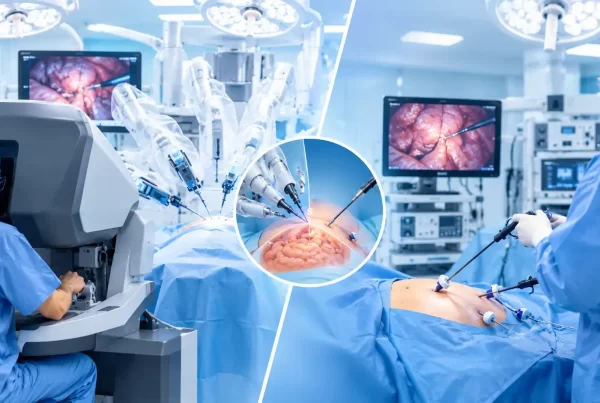
In most cases the answer is an appendectomy, which is surgery to remove the appendix. It can be done through open surgery or a laparoscopic (keyhole) procedure. Keyhole surgery means smaller cuts and less pain, and most people go home in a day or two.
In mild, uncomplicated cases, antibiotics alone may work, but the appendicitis can come back. Your doctor decides if this suits you.
If surgery is risky right away or there is an abscess, doctors may start with drainage and antibiotics and operate later. With experienced surgeons, appendix diseases treatment in Ahmedabad offers safe care for every stage of the condition.
Recovery after surgery
After keyhole surgery, most people return to light activity within a week. Open surgery takes two to four weeks. Avoid heavy lifting until your surgeon allows it, eat light fibre-rich meals, keep the wounds clean and dry, and report fever, increasing pain or discharge.
When to see a doctor
If you have severe pain in the lower right abdomen, especially with fever or vomiting, go to a hospital the same day. Do not take painkillers or laxatives to settle it.
Conclusion
Appendicitis is common, but it should never be taken lightly. Knowing the symptoms and causes, and acting quickly, can save you from serious complications. If you or a family member has persistent pain in the lower right abdomen, visit Kaizen Hospital for prompt evaluation and treatment.
FAQs about Appendicitis – symptoms, treatments and causes
What is the main cause of appendicitis?
A blockage in the appendix, most often from hardened stool or swollen lymphoid tissue after an infection.
How to avoid appendicitis?
There is no sure way. A fibre-rich diet, enough water, treating constipation and safe food and water may lower the risk. Acting early on belly pain protects you from complications.
How long can appendicitis last?
Without treatment it usually gets worse within 24 to 72 hours, and the appendix can burst after that. A mild, on-and-off form can linger for weeks, but it is rare and still needs a doctor.
What to do if you suspect appendicitis?
Go to a hospital the same day. Don’t eat or drink, and avoid painkillers, laxatives and heat pads until a doctor has examined you.
How do you treat appendicitis without surgery?
Antibiotics can treat mild, uncomplicated cases, but only under a doctor’s supervision after scans. There is a chance it returns, and some people still need surgery later.