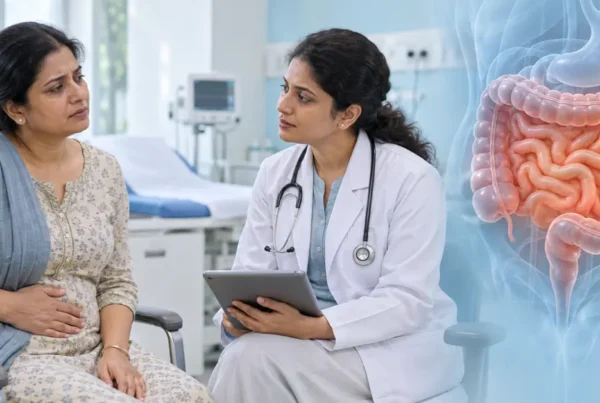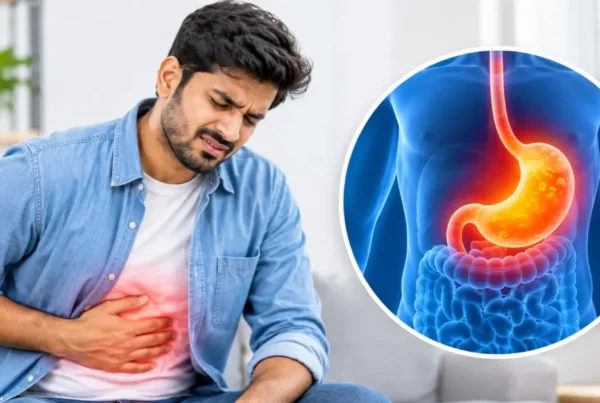
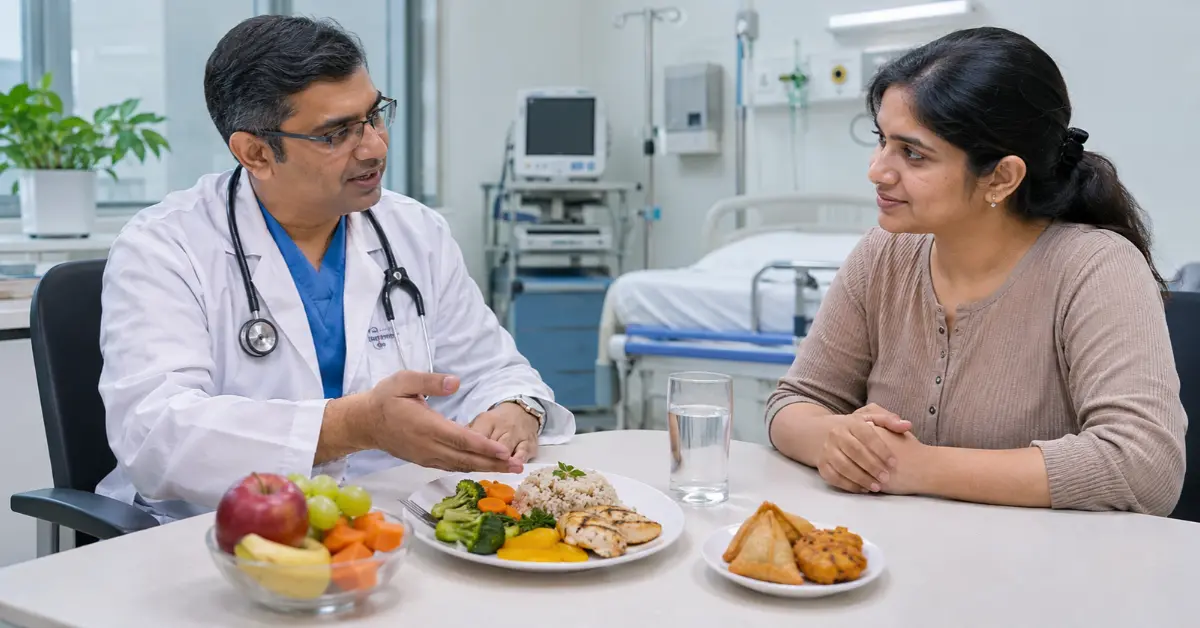

Getting back to your regular routine after gallbladder surgery feels good, but your digestive system may need some time to adjust. Since the gallbladder stores bile and releases it to help digest fats, its removal changes how bile reaches your intestine. You might notice bloating, loose stools, or discomfort after certain meals during the initial recovery period. This is where a proper gallbladder removal diet makes a difference. Knowing what to eat after gallbladder surgery and which foods to limit can help you manage digestion and feel more comfortable as your body heals.
Start With Smaller & More Frequent Meals
Your digestive system may not handle large meals comfortably immediately after surgery. Instead of having three heavy meals, try eating five or six smaller portions throughout the day. This allows your digestive system to process food more comfortably and may reduce bloating and discomfort. Include simple meals with rice, cooked vegetables, soups, and lean proteins. As your recovery progresses, you can gradually return to your usual eating schedule based on your body’s response.
Include Foods That Support Easy Digestion
Your everyday meals should contain nutritious foods that are gentle on your digestive system. If you need a list of foods to eat after gallbladder removal, consider options such as oatmeal, bananas, rice, applesauce, boiled potatoes, lean chicken, and steamed vegetables. Low-fat yoghurt may also suit some people. Introduce these foods gradually and notice how your body responds. A balanced diet with adequate protein, vitamins, and minerals can support healing and overall health.
Limit High-Fat & Fried Foods Initially
Fried snacks, fatty meats, creamy sauces, butter, and greasy meals can trigger diarrhoea, bloating, or abdominal discomfort after surgery. These are some common foods to avoid after gallbladder removal, particularly during the initial recovery period. You do not necessarily need to eliminate all fats permanently. Instead, introduce healthy fats in small quantities as your digestion improves. Foods such as nuts, seeds, and olive oil can gradually be incorporated into your meals if tolerated.
Add Fibre Slowly To Your Daily Meals
Fibre helps regulate bowel movements, but suddenly increasing its intake can cause gas and abdominal cramps. Start with soluble fibre sources such as oats, bananas, and cooked vegetables. Gradually introduce whole grains, beans, and other fibre-rich foods as your body adjusts. Drinking enough water throughout the day also supports digestion. A gradual approach to fibre intake can make your diet after gallbladder removal easier to manage without adding unnecessary digestive discomfort.
Pay Attention To Your Body’s Food Reactions
Every person’s gallbladder removal recovery can look different, so keeping track of your meals and symptoms can be helpful. Certain foods, including dairy products, caffeine, or spicy dishes, may trigger discomfort in some individuals but not others. Maintain a simple food diary to identify personal triggers. If diarrhoea persists, or you experience severe abdominal pain, fever, jaundice, or repeated vomiting, contact your doctor promptly for medical evaluation.
In Conclusion
Recovering from gallbladder surgery does not mean giving up your favourite foods forever. With smaller meals, balanced nutrition, gradual fibre intake, and sensible fat consumption, your digestive system can adjust over time. If you need personalised dietary guidance or experience ongoing digestive problems, consult a gastroenterologist. Visiting the best gastroenterology hospital in Ahmedabad can help you access professional advice and appropriate follow-up care for a smoother recovery.
Minimally invasive care for a safer, faster recovery. Consult the expert gastro surgeons at Kaizen Hospital!