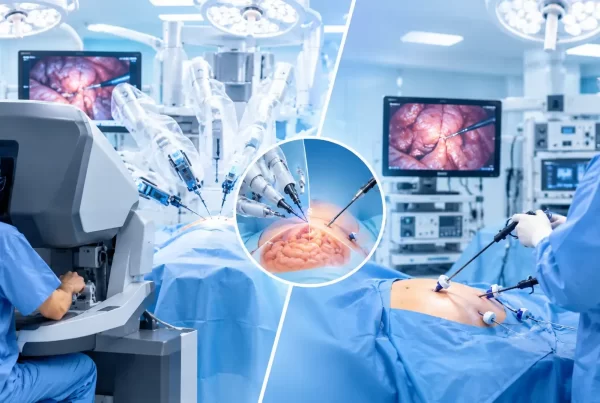
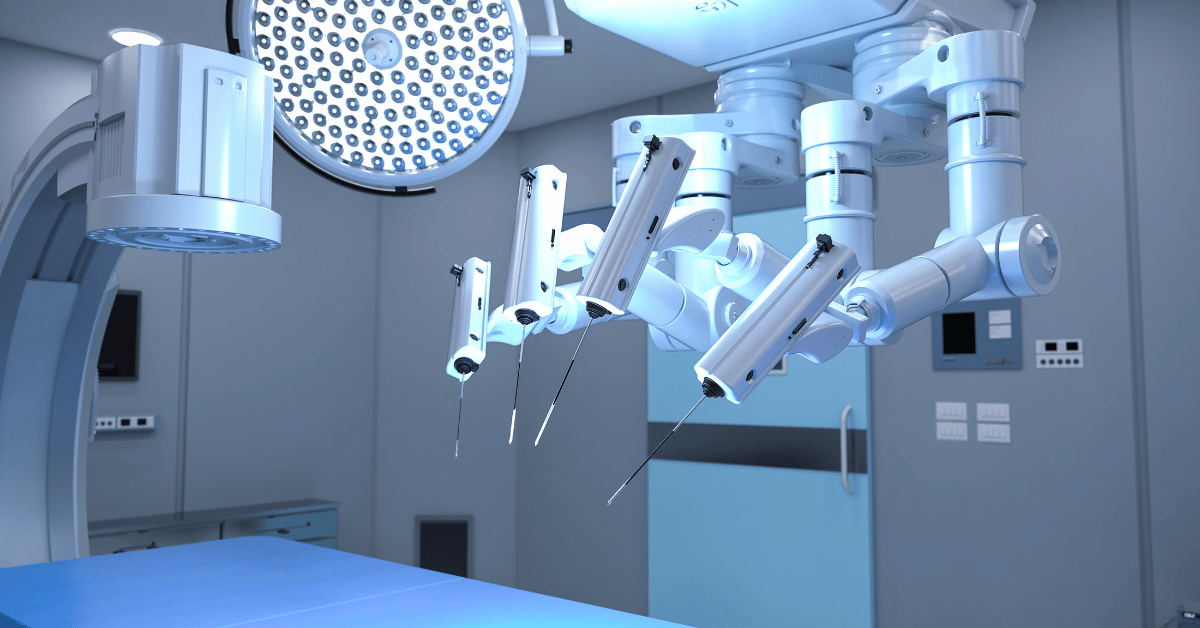

The practice of surgery has never been better with the emergence of gastrointestinal. GI Robotic Surgery is an amalgamation of technology and medical science through which operations are safer, less risky, and with accurate cuts and stitching. Modern day patients demand fast recoveries with the least pain and favourable outcomes.
That is exactly what is guaranteed by Gi Robotic Surgery. We are going to walk you through its benefits, the different types of procedures it involves, and why it is changing gastrointestinal treatments as we know them in this article.
Benefits of GI Robotic Surgery?
As compared to open surgery or even classical laparoscopic surgery, Gi Robotic Surgery is superior with certain advantages. The improvement is not only at the operating-table level but at the level patients feel later.
- Greater Precision: Robotic surgery allows surgeons to make very precise movements when conducting complex surgeries.
- Minimally Invasive: The smaller incisions cause less pain, less bleeding and less opportunity for infection.
- Better Visualisation: Larger 3D screens are provided to surgeons to facilitate decisions.
- Rapid Recovery: The patient normally recovers much sooner, with less time spent at the hospital.
- Less Scarring: Less noticeable scarring is left by smaller wounds.
Types of GI Robotic Surgery
The applicability of robotic surgery to gastrointestinal medicine is broad. Many procedures that once necessitated open surgeries can now be performed with robotic surgery.
- Colorectal Surgery: Excises portions of compromised or cancerous colon or rectum.
- Gastric Surgery: Treats stomach illnesses such as stomach cancer and stomach ulcers.
- Surgery to the Oesophagus: Assists in carcinoma removal, management of dysphagia, or hernia.
- Pancreatic Surgery: Removes lumps, cysts, or pancreatic tumours.
- Liver Surgery: Includes resection of tumours or liver cysts.
By using robotic methods in these areas, patients have fewer complications and better healing.
Benefits Outside of Surgery
The advantage of robotic surgery is not limited to what happens during surgery. It extends through to the recovery period.
- Increased Precision: Allows for safer surgery with fewer errors.
- Less Discomfort after Surgery: Incisions are smaller and less painful.
- Shorter Hospitalisation: The patient can generally return home earlier.
- Improved Cosmetic Outcomes: Minimal scarring enhances aesthetic appearance.
- Fewer Chances for Complications: Fewer bleeds and less infection lower the risk.
- Return to Daily Activity: Daily activities can quickly revert to normal.
These benefits reflect why robotic techniques are gaining popularity as a preferred option for most gastrointestinal procedures.
Conclusion
For patients with gastrointestinal needs, GI Robotic Surgery offers a safer and superior option. The precision, less invasive approach, and fast healing are setting the standard for surgical care. As technology continues to advance, robotic surgery will only become more mainstream, providing patients with superior outcomes and added confidence during the care process. At Kaizen Hospital, we are committed to delivering this advanced care with expertise and compassion.