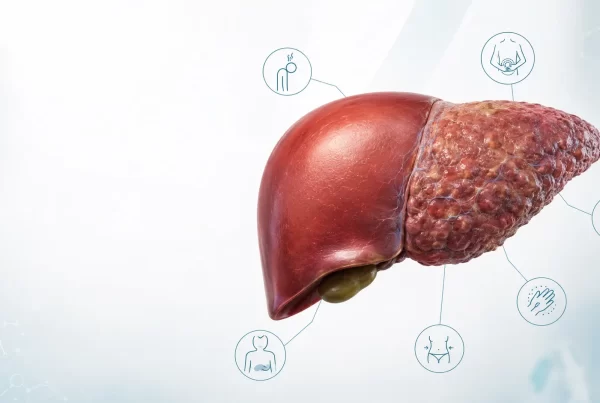


Obesity might have become a major health concern around the world. A lot of people today struggle to lose weight through diet and exercise alone, especially when obesity leads to serious health problems like diabetes or high blood pressure. In such cases bariatric surgery also known as weight loss surgery can help you achieve a long term weight loss. In recent years technology has brought major improvements in bariatric procedures. One of the most important advancements is robotic surgery. Robotic assisted techniques are changing how experts perform weight loss surgery making procedures more precise.
Understanding bariatric surgery
Bariatric surgery includes a group of procedures designed to help you lose weight by changing the digestive system . The procedures reduce the size of the stomach or change how the body absorbs food. The surgeries help you feel faster and eat smaller portions which basically leads to significant weight loss over time.
Some of the most common bariatric procedures include:
- Gastric bypass surgery
- Sleeve gastrectomy
- Adjustable gastric band surgery
- Biliopancreatic diversion with duodenal switch
What is robotic surgery?
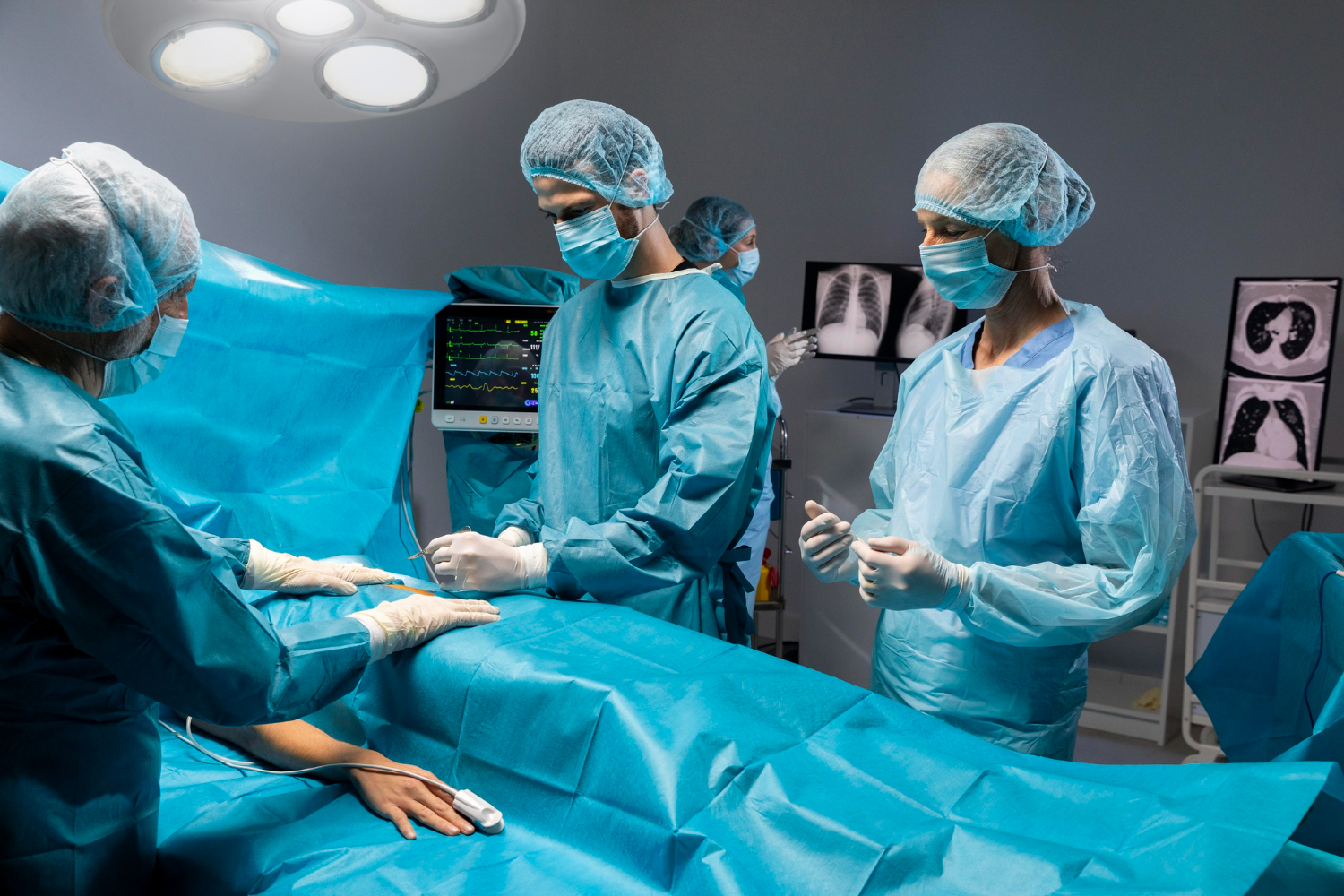
A robotic surgery is basically a minimally invasive surgery where experts use advanced robotic systems to perform procedures with enhanced precision. Despite the name the robot does not operate on its own the surgeon remains fully in control through the.
During robotic surgery:
- The surgeon controls robotic arms using a specialized console
- The system provides a high-definition 3D view of the surgical area
- Robotic instruments move with greater flexibility than human hands
Why is robotic surgery important for bariatric procedures?
One of the best parts about robotic surgeries is improved precision. The systems provide highly controlled movements and tremor reduction. Robotic surgical systems provide surgeons with a magnified 3D view of the surgical area. Better visualization helps you make more accurate decisions during the operation and reduces the risk of complications.
Reduced Risk of Complications
Because robotic surgery allows for greater precision and control, it may help reduce certain surgical risks.
Potential benefits include:
- Lower risk of bleeding
- Reduced infection rates
- Fewer surgical errors
Who Can Benefit from Robotic Bariatric Surgery?
Robotic bariatric surgery may be recommended for individuals who:
- Have severe obesity
- Have a body mass index (BMI) of 35 or higher with health conditions
- Struggle to lose weight through lifestyle changes alone
- Have obesity-related conditions such as diabetes or sleep apnea
So robotic surgeries transform bariatric surgery by improving precision and recovery for patients. With better visualization and better surgical control robotic technology is helping you perform weight loss procedures more effectively. If you are struggling with obesity the advancements of a new work for safer and more successful treatments