
Pain during a bowel movement can turn even a routine bathroom visit into an uncomfortable experience. Sometimes the cause is an anal fissure; other times, it may be piles (haemorrhoids). Although both conditions affect the anal area, they differ in their causes, symptoms, and treatment. Knowing the difference between fissure vs piles can help you recognise warning signs and seek the right medical care without unnecessary worry.
What Exactly Are Anal Fissures And Piles?
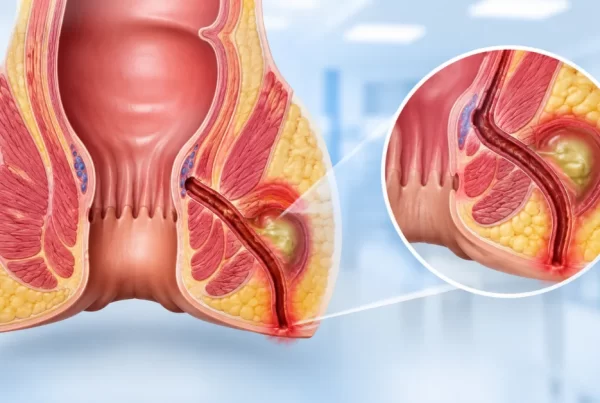
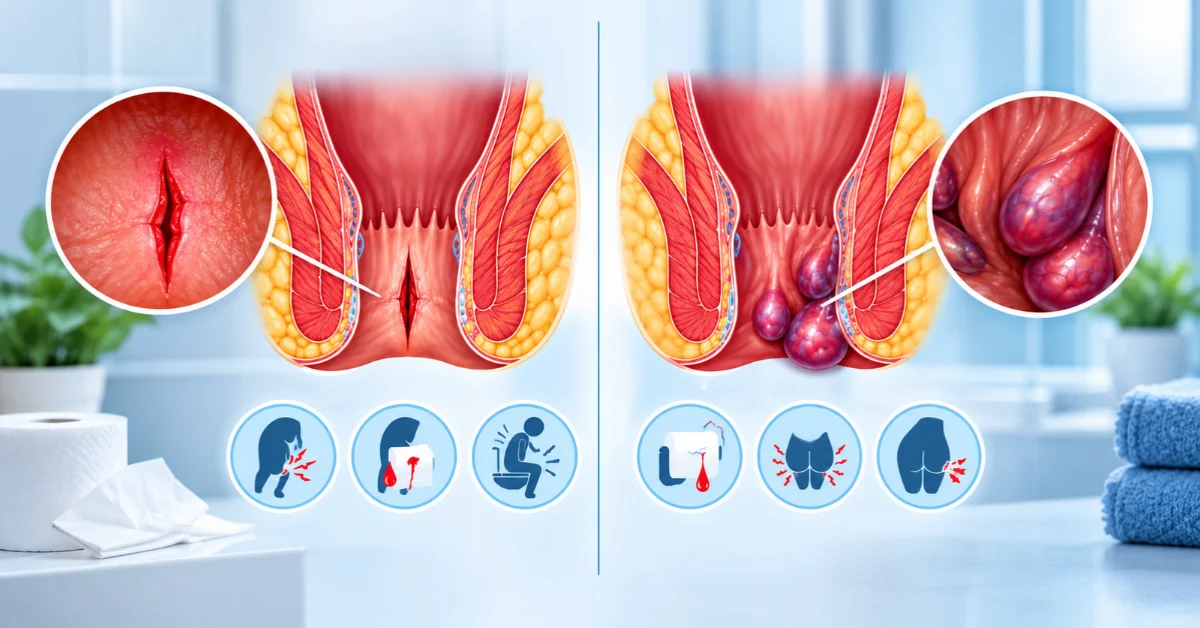
Think of an anal fissure as a small cut in the delicate skin lining the anus. It commonly develops after passing hard stools or straining during bowel movements. Piles, on the other hand, are swollen blood vessels in or around the anus and lower rectum. They can develop due to constipation, straining, pregnancy, or prolonged sitting on the toilet. Both conditions are common, but they require different treatment approaches.
Recognising Fissure Symptoms & Piles Symptoms
Your symptoms can offer useful clues about what’s happening. Common fissure symptoms include sharp pain during bowel movements, burning afterwards, and a small amount of bright red blood on toilet paper. Piles may cause bright red bleeding, itching, swelling, irritation, or a lump around the anus. Internal piles are often painless unless complications develop. However, symptoms can overlap, so a proper medical examination is the safest way to identify the cause.
Piles Vs. Fissure Pain: What’s The Difference?
Pain is often the biggest clue when comparing these conditions. With an anal fissure, the pain can feel sharp, like passing a piece of glass, and may continue for minutes or hours after a bowel movement. Piles vs fissure pain differs because uncomplicated internal piles are usually painless, even when bleeding occurs. External piles can become painful, especially when a blood clot forms. Persistent pain or bleeding should never be dismissed as a minor problem.
Anal Fissure Treatment & Piles Management
The good news is that many cases improve without surgery. Anal fissure treatment may include increasing dietary fibre, drinking enough water, taking warm sitz baths, and using prescribed ointments that relax the anal muscles. Piles may improve with similar bowel-habit changes, along with suitable medicines or other office-based procedures. If symptoms persist or the condition is severe, a specialist may recommend additional treatment. Avoid using medicated creams for prolonged periods without medical advice.
When Is Laser Surgery for Fissure Considered?
When conservative treatment doesn’t work, further procedures may be necessary. Chronic anal fissures may require treatments such as botulinum toxin injections or surgery to help the muscle relax and allow healing. Laser surgery for fissure is sometimes offered, but its suitability and evidence depend on the procedure and individual case. Piles have different treatment options, including rubber band ligation and surgical procedures. A qualified specialist can recommend the safest approach based on your diagnosis and symptoms.
In Conclusion
Anal fissures and piles may cause similar discomfort, but recognising their differences can help you take the right next step. Don’t ignore recurring pain, bleeding, or changes in bowel habits. Seek medical advice for an accurate diagnosis and suitable treatment instead of relying on guesswork. With timely care, appropriate lifestyle changes, and treatment when necessary, most people can find relief and return to their everyday routines with greater comfort.
Looking for Trusted Medical Guidance? Let Kaizen Hospital Help You Take the Next Step!