
Persistent stomach discomfort can be more than just a reaction to your last meal. Sometimes, the culprit isn’t what you ate but a tiny bacterium called Helicobacter pylori (H. pylori). It can live in your stomach lining without making a fuss, but in some people, it causes inflammation and ulcers. The reassuring part is that proper testing and timely h pylori treatment can help you get things back on track.
Meet The Bacterium Behind The Discomfort
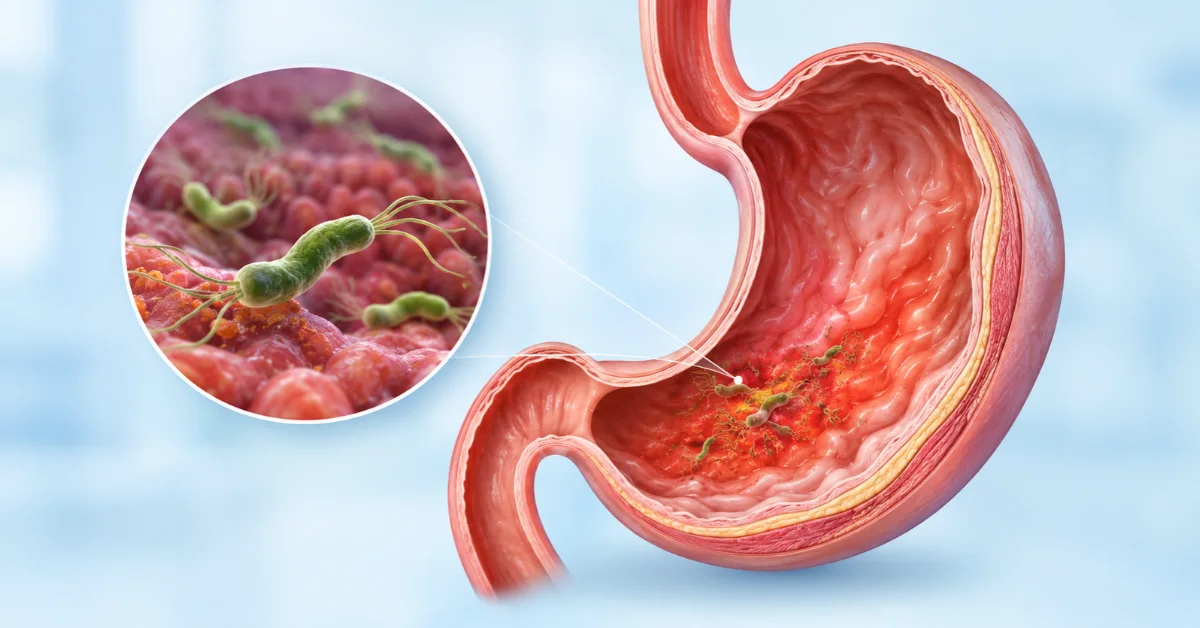
Think of your stomach lining as a protective shield. H. pylori can weaken this shield and trigger inflammation. The infection may spread through contaminated food or water, or through contact with infected saliva or vomit. Many people carry the bacterium without noticing anything unusual. However, it can eventually contribute to gastritis, peptic ulcers, and, in rare cases, an increased risk of stomach cancer. That’s why persistent digestive trouble deserves attention.
H. Pylori Symptoms Worth Paying Attention To
Your stomach has its own way of telling you something feels wrong. Common h pylori symptoms include burning abdominal pain, bloating, nausea, frequent burping, reduced appetite, and feeling full sooner than expected. Some people lose weight without trying, while others experience no symptoms whatsoever. These signs can also point to other digestive conditions, so avoid jumping to conclusions. Severe abdominal pain, bloody vomit, or black, tarry stools need urgent medical attention.
Getting The Right H. Pylori Test
When stomach troubles keep returning, guessing won’t give you reliable answers. An h pylori test can help identify the infection. Doctors commonly recommend a urea breath test or a stool antigen test to detect active bacterial infection. Blood tests can show past exposure but cannot reliably confirm an ongoing infection. In certain cases, an upper endoscopy with a stomach tissue sample may be necessary. Your doctor may also advise temporarily stopping specific medicines before testing.
H. Pylori Treatment That Actually Targets The Cause
Here’s the important bit: soothing your stomach isn’t the same as eliminating the bacteria. Effective h pylori treatment usually combines antibiotics with acid-reducing medicine, sometimes alongside bismuth. Treatment commonly lasts 10–14 days, depending on the prescribed regimen. Take every dose as directed, even when you start feeling better. Since antibiotic resistance can affect results, avoid self-medication and follow your doctor’s instructions throughout the course.
Can Your H. Pylori Diet Make A Difference?
You don’t need to turn every meal into a guessing game! An H. pylori diet cannot eliminate the bacteria, but balanced meals and adequate hydration can help with your comfort. Notice if coffee, spicy dishes, or acidic foods trigger your symptoms, and adjust accordingly. There’s a clear connection between h pylori and ulcer development, but food alone cannot heal the underlying infection. Medical treatment remains essential for eliminating the bacteria and helping ulcers heal.
In Conclusion
Your stomach deserves more than temporary relief and crossed fingers. H. pylori is common and treatable, so seek medical advice for persistent symptoms instead of relying on home remedies. Complete your prescribed H. Pylori treatment and confirm the bacteria are gone with a breath or stool test at least four weeks after antibiotics. Your doctor may recommend pausing acid-reducing medicines beforehand.
Expert Care Starts with the Right Consultation at Kaizen Hospital. Book Your Visit Today!