
Stomach problems are easy to put off. You get a burning feeling after lunch, or your stomach swells up by evening, and you tell yourself it’ll pass. Sometimes it does. Sometimes it’s the first sign of a Stomach Disease that needs a doctor.
This blog explains what gastrointestinal disease is, which GI issues are most common, and how each one is treated.
What Is Gastrointestinal Disease?
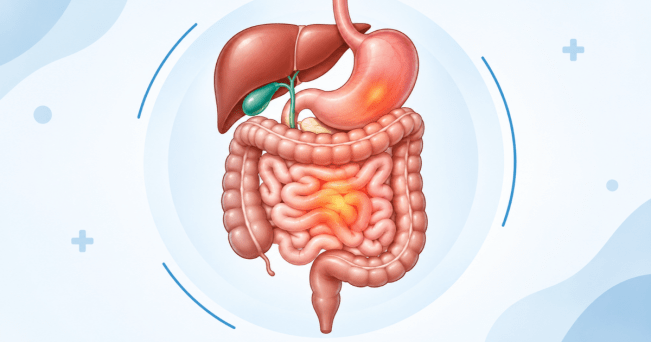
Gastrointestinal disease means any illness of the digestive tract, the long passage that starts at the mouth and ends at the anus. The liver, gallbladder, and pancreas are included too, since they help with digestion.
Some conditions are short. A stomach infection can clear up in three or four days. Others, like IBS or Crohn’s disease, can stay with a person for years and need regular follow-ups.
Common Symptoms of Gastrointestinal Problems
Different conditions show up differently, but these are what patients mention most often:
- Stomach pain or cramps
- Bloating and gas
- Heartburn or acid reflux
- Nausea or vomiting
- Diarrhea or constipation
- Difficulty swallowing
- Blood in stool
What Causes Stomach Issues?
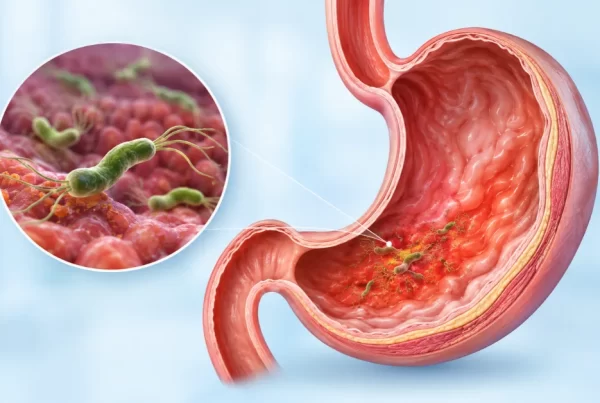
There’s no single cause. An infection can do it. So can H. pylori, a bacteria that lives in the stomach lining, or years of taking painkillers. Irregular meals, too much oily food, stress, smoking, and alcohol all add to the problem. A few conditions, like IBD, can also run in families.
Common Gastrointestinal Diseases
GERD (Acid Reflux)
In GERD, acid from the stomach keeps coming back up into the food pipe. The usual complaint is heartburn after eating, often with a sour taste at the back of the throat. A few people find swallowing hard.
Small changes help first. Have lighter meals, stay away from very spicy food, and give yourself two to three hours before lying down. If that isn’t enough, a doctor can prescribe medicines that cut down acid.
Peptic Ulcers
A peptic ulcer is an open sore on the inside of the stomach or the first part of the small intestine. Most come from an H. pylori infection or from regular use of painkillers like ibuprofen.
The pain is typically a gnawing burn in the upper belly, and it often gets worse when the stomach is empty. Treatment is a course of antibiotics along with medicines that lower acid so the sore can heal.
Irritable Bowel Syndrome (IBS)
IBS changes how the bowel works, but it doesn’t cause visible damage to it. That’s why tests often come back normal even when the person is clearly suffering.
Cramps, bloating, loose stools, and constipation (sometimes switching between the two) are the main signs. Most people get relief by finding their trigger foods, eating more fiber, sleeping better, and keeping stress in check. Walking daily helps too.
Gallstones
Gallstones are small, hard lumps that form inside the gallbladder. When one blocks the bile duct, it causes sharp pain in the upper right side of the belly, sometimes reaching the back or right shoulder. Nausea usually comes with it, and a fatty meal often sets it off.
Stones that don’t cause trouble may only need watching. If the pain keeps returning, the gallbladder is usually removed with surgery.
Gastroenteritis
This is the “stomach flu” most of us have had once or twice. A virus or bacteria inflames the stomach and intestines, leading to vomiting, watery stools, cramps, and tiredness.
Rest and plenty of fluids, including oral rehydration solution, are enough for most people. Go to a doctor if you can’t keep water down, have a high fever, or see blood in your stool.
Constipation
Passing stool fewer than three times a week, or having to strain to pass it, counts as constipation. It’s common, but if it begins suddenly or doesn’t improve, it can point to an underlying Stomach Disease.
Most cases improve with more water, more fiber from fruits, vegetables, and whole grains, and a bit of daily movement.
Inflammatory Bowel Disease (IBD)
IBD covers two conditions: Crohn’s disease and ulcerative colitis. In both, the gut stays inflamed for long periods. Crohn’s can affect any part of the digestive tract, while ulcerative colitis stays in the large intestine.
Patients often have diarrhea that lasts weeks, belly pain, weight loss, and sometimes blood in the stool. Medicines to calm the inflammation are the main treatment, along with diet changes. Some patients eventually need surgery.
How Are Gastrointestinal Diseases Diagnosed?
It starts with a conversation. The doctor asks how long you’ve had the symptoms, what you eat, and what makes them better or worse, then examines your abdomen. From there, you might be sent for blood and stool tests, an ultrasound or CT scan, or an endoscopy or colonoscopy, where a thin camera looks inside the gut. We do these at our Advance Endoscopy Center.
Gastrointestinal Disease Treatments
The right treatment depends on what’s causing the problem and how far it has gone.
- Diet and lifestyle changes: smaller meals, less fried and spicy food, more fiber, regular activity, and ways to manage stress.
- Medicines: acid-lowering tablets, antibiotics for H. pylori, and anti-inflammatory drugs for IBD.
- Endoscopic treatment: used to stop bleeding, take out polyps, or widen a narrowed section, with no cut on the skin.
- Surgery: needed for gallstones, severe IBD, and GI cancers. Many of these can now be done with robotic GI surgery, which means smaller cuts and a faster recovery.
When GI Issues Need Medical Attention?
A bit of stomach trouble now and then is normal. Don’t wait it out if you have severe belly pain, weight loss you can’t explain, blood in your stool, vomiting that won’t stop, or bloating that stays for weeks. If bloating is your main complaint, our blog on persistent bloating will help.
If your symptoms keep coming back, a specialist can find the cause and treat it early. The gastroenterology team at Kaizen Hospital handles everything from diagnosis to long-term follow-up. Book your appointment today!
FAQs about Gastrointestinal Disease
What is gastrointestinal disease?
It’s a condition that affects the digestive tract or the organs linked to digestion, like the liver, gallbladder, and pancreas.
What are the most common gastrointestinal problems?
GERD, peptic ulcers, IBS, gastroenteritis, gallstones, and constipation.
Can stomach problems go away on their own?
Mild ones, like a short stomach infection, usually do. If the symptoms last more than two weeks or keep coming back, get them checked.
Which doctor treats GI issues?
A gastroenterologist. If surgery is needed, a GI surgeon takes over