
A hernia doesn’t usually show up with dramatic symptoms at first. It might start as a small bulge in the abdomen or groin. Maybe a little discomfort when lifting something heavy. Many people ignore it for months. Sometimes years. But hernias rarely fix themselves, and surgery is often the only permanent solution.
Traditionally, surgeons performed hernia repair through open surgery. Today, newer techniques like robotic hernia surgery precision and repair are changing the way these procedures are done. Naturally, patients start asking the big question: which one is better?
The honest answer? It depends on the situation.
Understanding Open Hernia Surgery
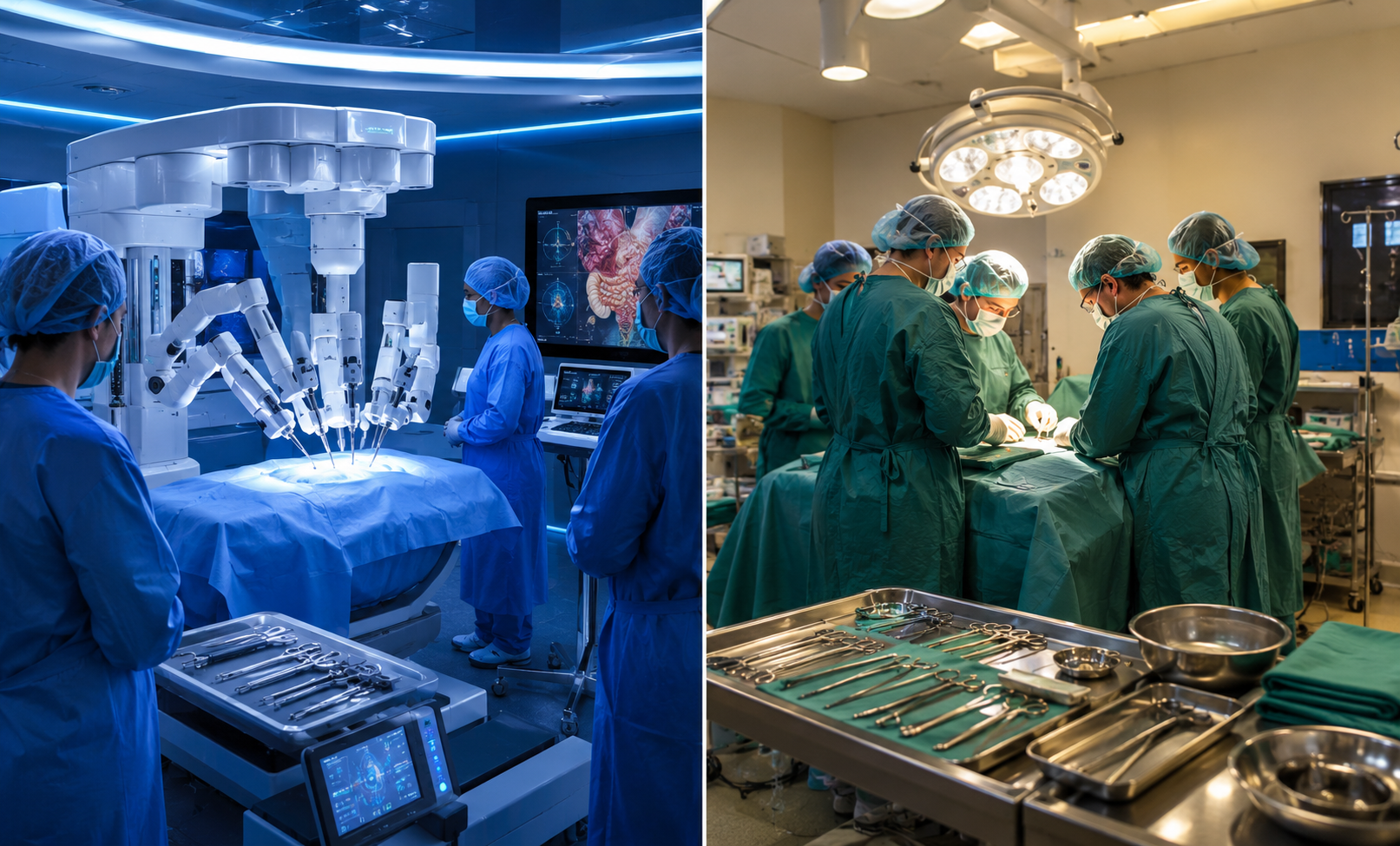
Open surgery is the older and widely practiced method. The surgeon makes a single incision near the hernia, pushes the tissue back into place, and strengthens the weakened area usually with a surgical mesh.
The approach works well and has been used successfully for decades. Surgeons can directly see and feel the tissues, which can be helpful in complicated cases.
But open surgery usually involves a larger incision. That often means more pain after the procedure and a longer recovery period.
Patients might need more time before returning to work or regular activities.
What Makes Robotic Hernia Surgery Different?
Now let’s talk about Robotic Hernia Surgery.
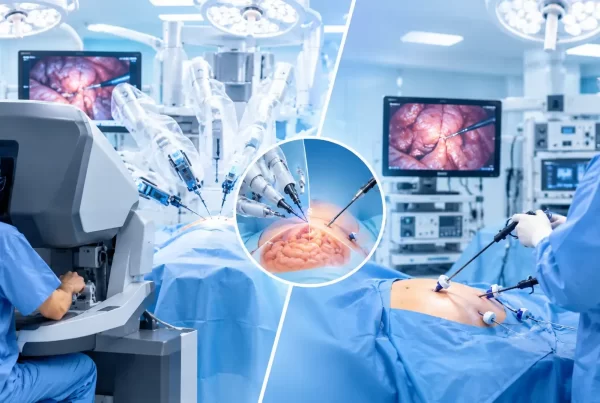
Despite the name, a robot isn’t performing the surgery on its own. The surgeon controls robotic arms from a console. These arms hold tiny instruments and a high-definition camera that provides a magnified 3D view inside the body.
Instead of one large incision, the surgeon makes several small openings. Through these, the instruments gently repair the hernia and place mesh if needed.
The movements are extremely precise. Robotic instruments can even rotate more freely than the human wrist, which gives surgeons excellent control during delicate steps.
Comparing Recovery and Comfort
For many patients, recovery is the biggest concern.
Because Robotic Hernia Surgery uses smaller incisions, people often experience less pain and reduced scarring. Hospital stays can be shorter, and daily activities may resume sooner.
Open surgery, on the other hand, sometimes requires a longer healing period. That doesn’t mean it’s a bad option. In fact, some large or complicated hernias are still better treated with traditional surgery. Understanding how robotic surgery compares to traditional techniques can help patients make a more informed decision.
The key factor isn’t just the technique, it’s the surgeon’s judgment and experience.
Conclusion
Procedures like Robotic Hernia Surgery represent that shift more precision, smaller incisions, and often a smoother recovery journey for patients.
For those considering advanced surgical care, specialized centers with experienced surgeons and modern robotic systems, such as Kaizen Hospital, provide comprehensive treatment options for hernia repair and other complex digestive conditions.