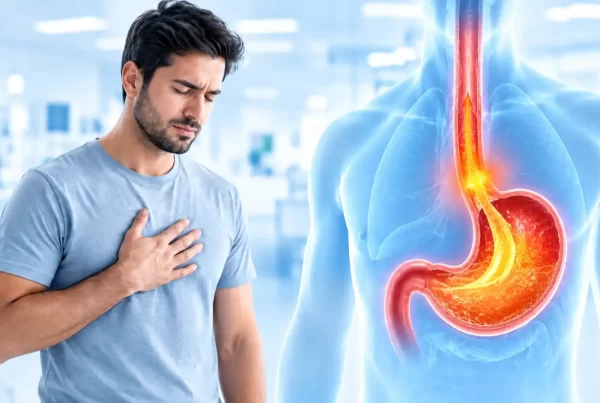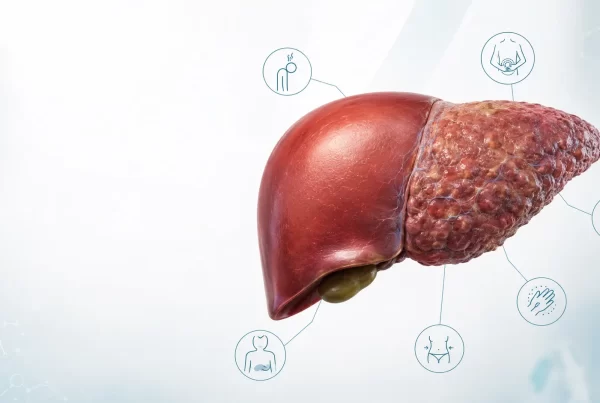

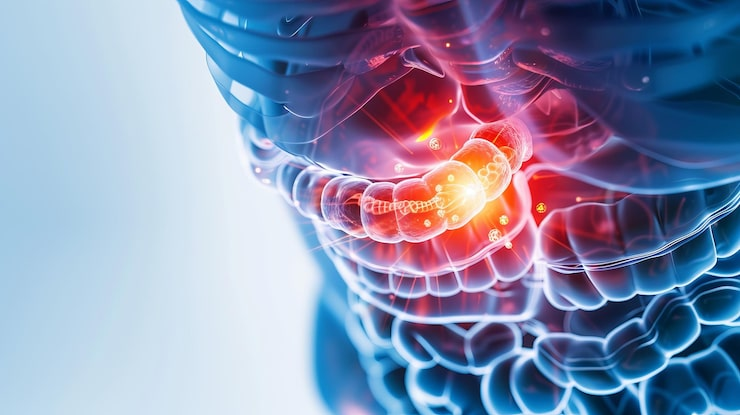

The digestive system is like a carefully coordinated assembly line. Food moves from the stomach into the small intestine, where nutrients start getting absorbed. The very first section of the small intestine is called the duodenum, and when this area becomes inflamed, doctors call it Duodenitis, a common type of Duodenum Disease.
It might sound complicated, but the idea is simple. The lining of the duodenum gets irritated or inflamed, usually because something has disturbed its protective barrier.
What Exactly Is Duodenitis?
The duodenum sits right after the stomach. Its job is to mix stomach acid with digestive juices and begin absorbing nutrients from food.
Normally, the lining of the duodenum protects it from strong stomach acids and harmful bacteria. But when that lining gets damaged—by infection, medication, or excessive acid the immune system reacts. The result? Inflammation.
Many cases are mild and temporary. But if the irritation continues, it can develop into chronic Duodenum Disease, which needs proper medical care.
Symptoms People Often Notice
Interestingly, not everyone with duodenitis feels obvious symptoms. Some people only discover it during medical tests.
Others experience clear warning signs, such as:
- Burning or aching pain in the upper abdomen
- Bloating or feeling overly full
- Nausea or vomiting
- Loss of appetite
- Fatigue
- Gas and stomach discomfort
In more serious situations, bleeding may occur. That can show up as dark stools or vomit that looks like coffee grounds. Those symptoms require immediate medical attention.
What Causes Duodenitis?
Several factors can trigger this type of Duodenum Disease.
The most common cause is H. pylori infection, a bacteria that can damage the lining of the digestive tract. Many people carry this bacteria without problems, but sometimes it multiplies and causes inflammation.
Other causes include:
- Long-term use of painkillers like ibuprofen or aspirin
- Excess stomach acid
- Crohn’s disease or celiac disease
- Chronic acid reflux (GERD)
- Smoking or heavy alcohol use
- Food allergies or sensitivities
Even certain cancer treatments, like chemotherapy or radiation, may irritate the digestive tract.
Treatment Options
Treatment usually depends on the root cause.
Doctors often prescribe antibiotics if a bacterial infection is involved. Acid-reducing medications may also help protect the duodenum lining while it heals.
Lifestyle changes make a big difference too. Many patients improve by avoiding spicy or acidic foods, reducing alcohol intake, quitting smoking, and eating smaller meals throughout the day.
Severe cases are rare, but if the tissue becomes badly damaged, surgery may sometimes be required.kai
When symptoms persist or complications arise, expert evaluation becomes essential. Specialized gastroenterology centers like Kaizen Hospital provide advanced diagnosis and treatment options for conditions such as Duodenum Disease, helping patients restore digestive health and prevent long-term complications.