
Pancreatic surgery sounds intimidating. And honestly, it should be taken seriously. The pancreas sits deep inside the abdomen, surrounded by major blood vessels and important organs. That makes surgery here delicate and complex. For years, doctors relied mainly on open procedures. Now, a newer option has entered the picture “Robotic Pancreatic Surgery”.
Patients often ask the same question: which approach is better? The answer isn’t always black and white. Each method has its place, and the right choice depends on the patient’s condition, the complexity of the surgery, and the surgeon’s expertise.
Let’s break it down in simple terms.
Traditional Pancreatic Surgery
Traditional surgery, often called open surgery, involves making a larger incision in the abdomen. This allows the surgeon to directly access the pancreas and surrounding organs.
The biggest advantage here is visibility and control. Surgeons can physically see and feel tissues, which sometimes helps in complicated cases like large tumors or advanced pancreatic disease like pancreatitis.
However, the trade-off is recovery time. Open surgery usually means a longer hospital stay, more postoperative discomfort, and a larger scar. Healing simply takes longer when the incision is bigger.
Robotic Pancreatic Surgery
Now comes the modern approach – Robotic Pancreatic Surgery.
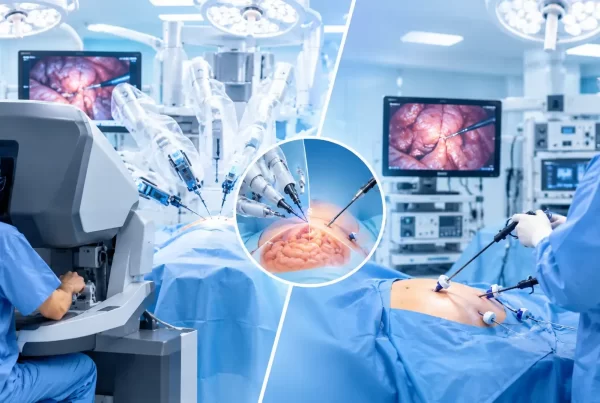
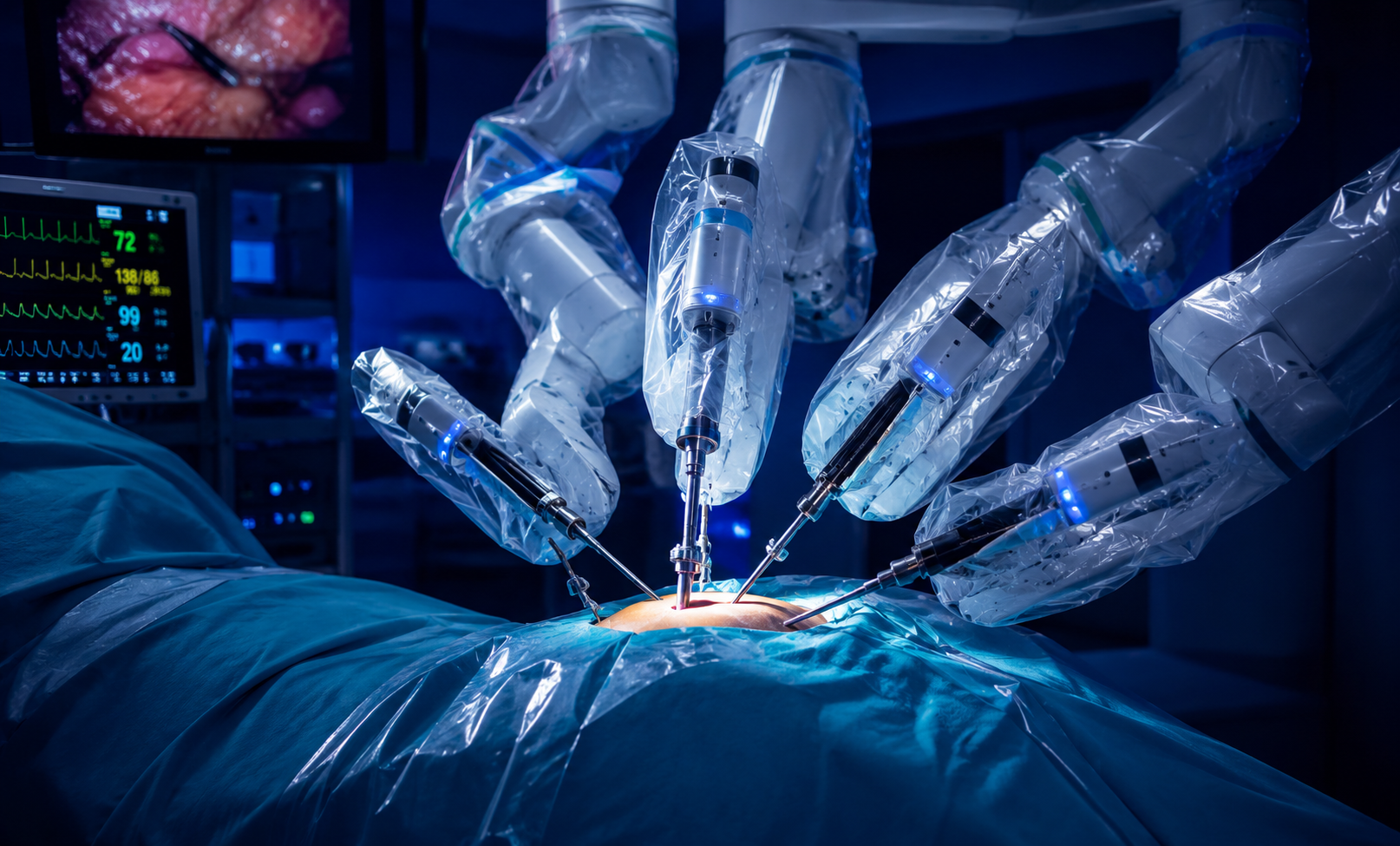
Despite the name, the robot doesn’t operate on its own. The surgeon sits at a console and controls robotic arms that perform extremely precise movements. To better understand how robotic surgery works – benefits and risks, it helps to know that these instruments are tiny, flexible, and incredibly steady.
The procedure usually requires only small incisions. That’s a big deal for patients.
Smaller cuts often mean less blood loss, reduced pain after surgery, and faster recovery. Many patients also leave the hospital sooner and return to daily activities more quickly.
Another advantage? High-definition 3D vision. Surgeons can see the surgical area in incredible detail, sometimes even better than with the naked eye.
So, Which One Is Better?
Honestly, it depends. For certain cases, robotic surgery offers clear benefits, smaller scars, quicker recovery, and greater surgical precision. But for very complex conditions, traditional open surgery may still be the safest option.
The most important factor isn’t the tool. It’s the experience of the surgical team.
A skilled surgeon knows when robotic surgery is the right fit and when traditional surgery will provide better results.
Thinking about modern surgery reminds us of upgrading from an old phone to a new smartphone. The old phone still works, you can call, text, and do basic things. But the newer phone runs faster, has better features, and makes everyday tasks easier.
The same idea applies when comparing traditional surgery with robotic pancreatic surgery. Traditional open surgery still works and is sometimes necessary. But robotic surgery uses advanced technology that allows surgeons to operate with greater precision and smaller incisions.
So the goal remains the same, treating the patient successfully but the process can be smoother, with less pain and often a faster recovery.
Medical technology works the same way. When used correctly, advancements like Robotic Pancreatic Surgery can transform complex procedures into safer, more precise treatments for patients.
Hospitals with advanced surgical expertise and modern robotic systems, such as Kaizen Hospital, are helping bring these innovative treatment options to patients who need specialized pancreatic care.