
A hernia may start small, but ignoring it rarely makes things better. Many people notice a soft bulge in the abdomen or groin and think, “It’s not painful yet, so I’ll deal with it later.” That delay can sometimes turn a manageable problem into a serious one.
This is where early treatment and especially Robotic Hernia Surgery can make a huge difference.
A hernia happens when an internal tissue or organ pushes through a weak spot in the muscle wall. At first, it may only cause mild discomfort, especially while lifting heavy objects, coughing, or standing for long periods. But over time, the weakness can grow larger.
And once complications begin, things can get risky fast.
Why Early Treatment Matters
The biggest danger with untreated hernias is that part of the intestine can become trapped. Doctors call this an incarcerated hernia. If blood supply gets cut off, it becomes a strangulated hernia, which is a medical emergency.
That’s why treating a hernia early is always smarter than waiting for severe pain or complications. Not every hernia is the same for instance, groin hernias behave differently from other types, and understanding inguinal hernia symptoms and treatment options can help patients recognize their condition sooner. Early surgery is usually simpler, safer, and easier on the body.
Early surgery is usually simpler, safer, and easier on the body.
How Robotic Hernia Surgery Helps
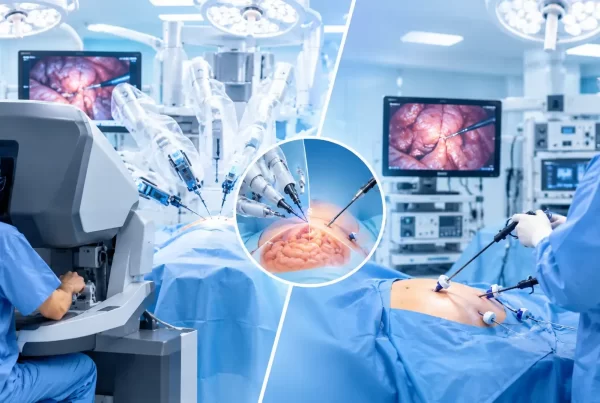
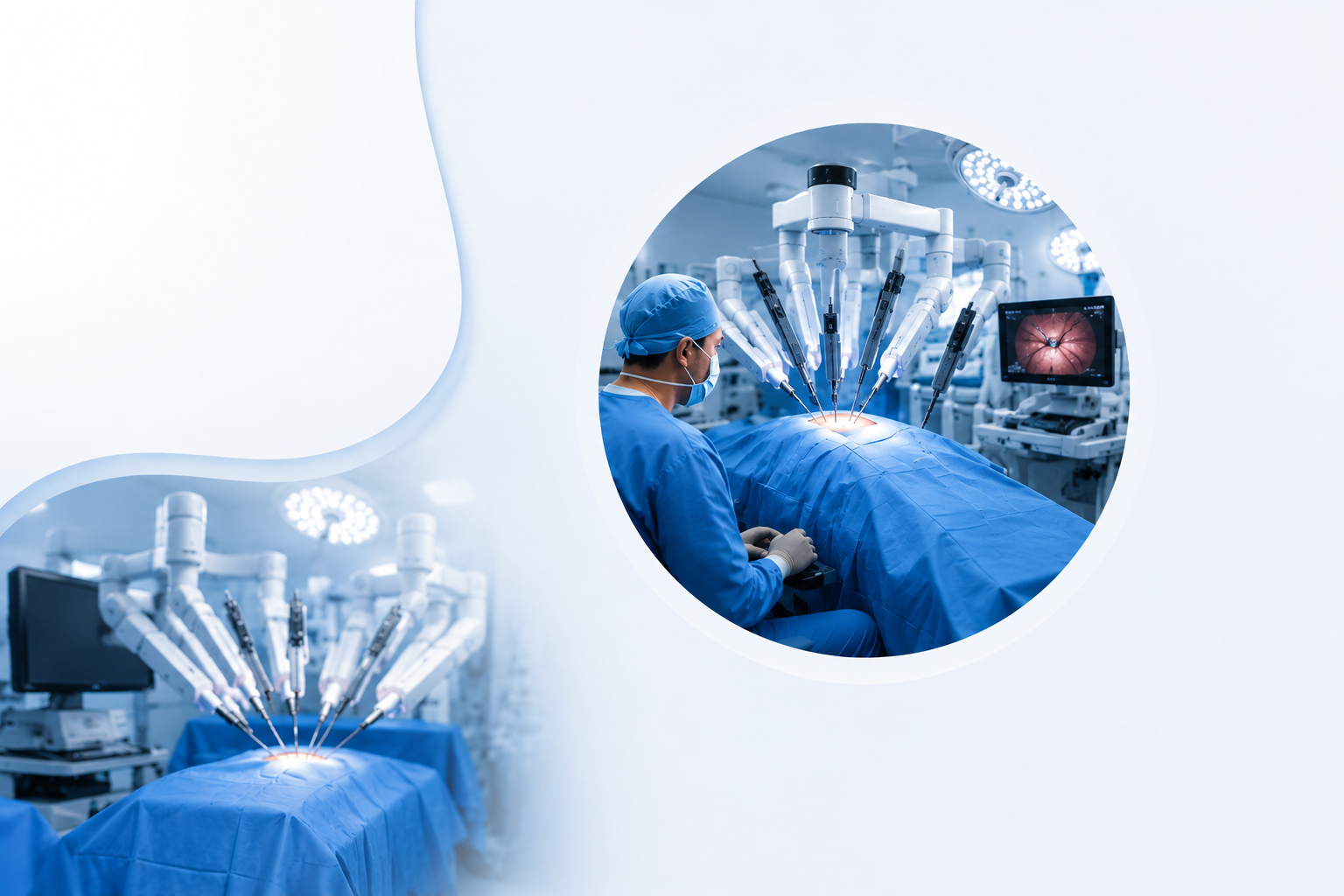
Modern technology has changed the way surgeons repair hernias. With Robotic Hernia Surgery, surgeons use robotic-assisted instruments controlled through a console. The robot doesn’t work alone, the surgeon controls every movement with precision.
Instead of one large cut, robotic surgery uses tiny incisions and a high-definition camera that gives surgeons a magnified 3D view inside the body.
That level of precision helps repair the weak muscle area carefully while reducing damage to surrounding tissues.
Benefits Patients Often Notice
Patients who undergo Robotic Hernia Surgery often experience:
- Smaller scars
- Less pain after surgery
- Reduced risk of infection
- Shorter hospital stays
- Faster return to normal activities
For many people, the recovery feels smoother compared to traditional open surgery.
Don’t Ignore the Warning Signs
Hernias don’t heal on their own. In many cases, they slowly become larger and more uncomfortable with time. Early treatment helps prevent emergency situations and reduces the chances of serious complications later.
Warning signs that should never be ignored include:
- A visible bulge that grows bigger
- Pain while lifting or bending
- Nausea or vomiting
- Sudden severe abdominal pain
- Redness or swelling near the hernia
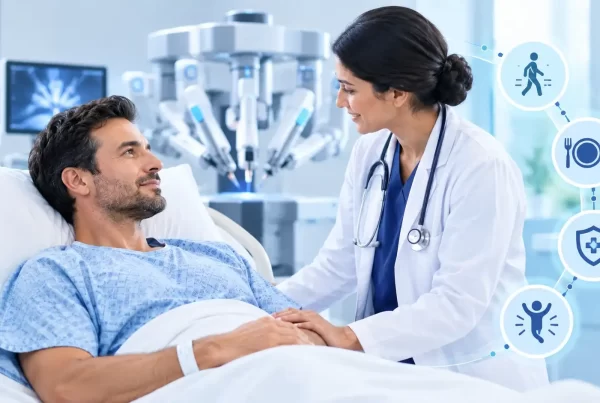
Getting evaluated early gives doctors more treatment options and often leads to better outcomes.
Hospitals with experienced surgical teams and advanced robotic systems, such as Kaizen Hospital, are helping patients receive modern hernia care with improved precision, safety, and recovery support.