
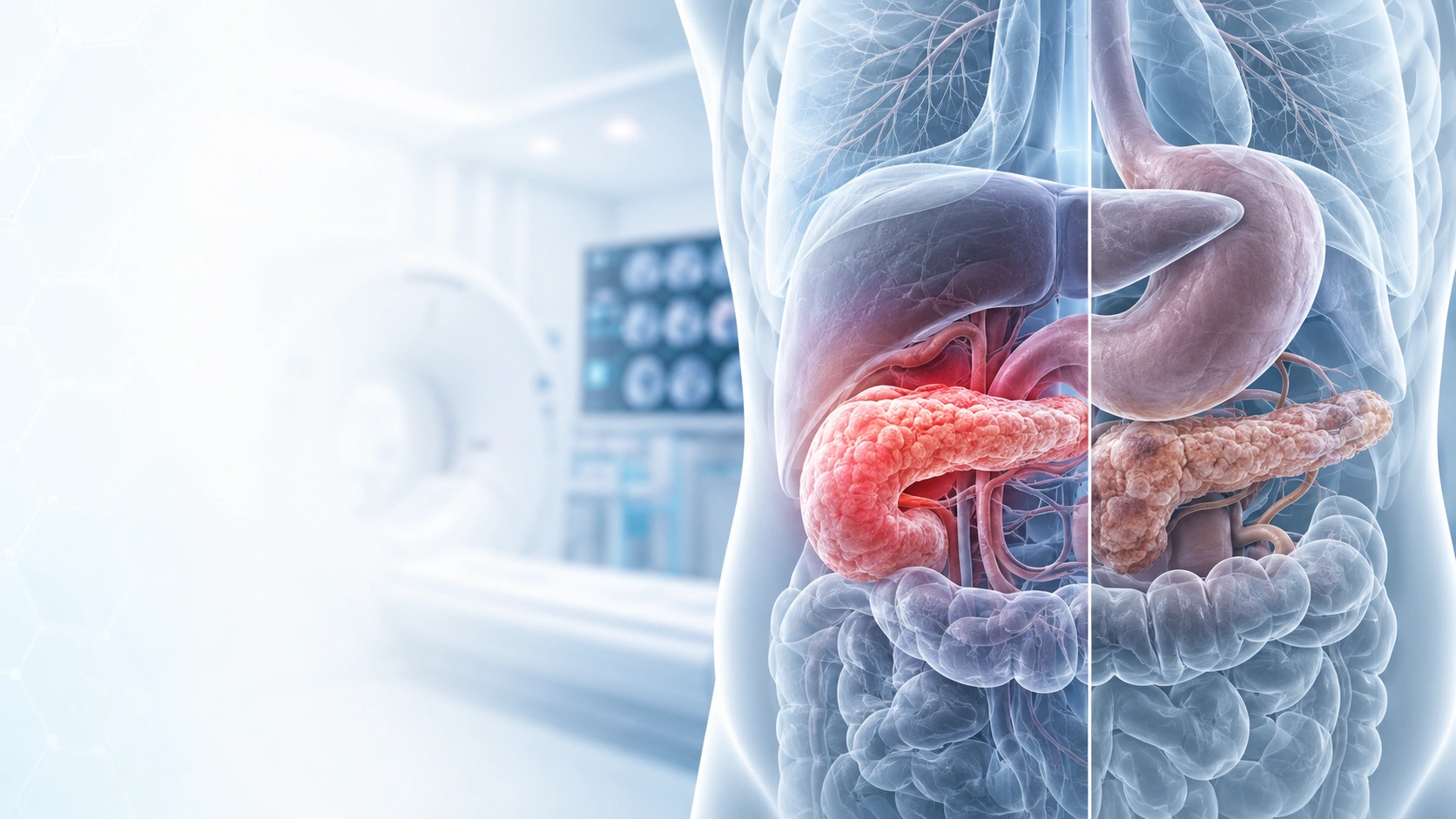

A sudden wave of severe abdominal pain can be frightening, especially when it comes with nausea or vomiting. Sometimes, the cause is pancreatitis, a condition that affects the pancreas and can range from a short-term problem to a long-lasting health issue.
But what makes acute pancreatitis different from chronic pancreatitis? The symptoms can overlap, yet the way these two conditions develop and affect the body is quite different.
What Is Pancreatitis?
The pancreas sits behind your stomach and plays two important roles. It helps your body digest food and produces hormones such as insulin that help control blood sugar.
Pancreatitis occurs when the pancreas becomes inflamed. Depending on how long the inflammation lasts, doctors generally classify it as either acute or chronic.
Acute Pancreatitis: Sudden and Often Severe
Acute pancreatitis develops quickly. The inflammation may appear suddenly and can range from mild to severe.
A common sign is severe pain in the upper abdomen. The pain may spread toward the back and sometimes becomes worse after eating. Nausea, vomiting, fever, a fast heartbeat, and abdominal tenderness can also occur.
Gallstones and heavy alcohol use are among the common causes, although certain medications, high triglyceride levels, infections, and other conditions can also trigger it.
Some people recover completely after treatment. Severe cases, however, can affect other organs and require hospital care.
Chronic Pancreatitis: Long-Term Damage
Chronic pancreatitis is different. Instead of settling down, inflammation continues or keeps returning over time. Gradually, the pancreas can develop permanent damage and may not work as well as it should.
People with chronic pancreatitis may experience recurring or persistent abdominal pain, weight loss, bloating, diarrhoea, and difficulty digesting food. When the pancreas produces fewer digestive enzymes, the body may struggle to absorb nutrients properly.
Chronic pancreatitis can also affect insulin production, increasing the risk of diabetes.
Long-term alcohol use is a major risk factor, but genetic conditions, repeated episodes of acute pancreatitis, certain autoimmune disorders, and other factors can also play a role.
Acute vs Chronic Pancreatitis: The Key Difference
The easiest way to understand the difference is to think about time and damage.
| Acute Pancreatitis | Chronic Pancreatitis |
| Starts suddenly | Develops gradually or keeps recurring |
| Usually short-term | Long-term condition |
| May resolve completely | Can cause permanent pancreatic damage |
| Severe pain is common | Repeated or ongoing pain is common |
| Treatment focuses on controlling the immediate inflammation | Treatment focuses on managing symptoms and preventing further damage |
One episode of acute pancreatitis doesn’t automatically mean you’ll develop chronic pancreatitis. However, repeated attacks can increase the risk.
How Is Pancreatitis Diagnosed?
Doctors usually consider your symptoms, medical history, and physical examination before recommending tests. Blood tests can check pancreatic enzyme levels, while imaging such as an ultrasound, CT scan, or MRI may help identify inflammation, gallstones, or structural changes.
Treatment depends on the cause and severity. Acute cases may require hospital care, fluids, pain management, and treatment of the underlying cause. Chronic pancreatitis may need dietary support, enzyme replacement, diabetes management, pain control, and sometimes endoscopic or surgical treatment.
If severe or persistent abdominal pain is bothering you, don’t simply assume it’s indigestion. Getting evaluated early can make a real difference.
Get Expert Pancreatic Care at Kaizen Hospital
For patients seeking a Hepatologist in Ahmedabad or specialised digestive care, Kaizen Hospital offers comprehensive gastroenterology services under one roof. Established in Ahmedabad in 2011, Kaizen Hospital is an NABH-accredited gastroenterology super-speciality hospital and among Western India’s first and largest dedicated centres for gastroenterology.
With experienced gastroenterologists, gastro surgeons, advanced technology, and specialised clinics, the hospital focuses on accurate diagnosis and personalised treatment for complex digestive conditions. If you’re looking for a Hepatologist in Ahmedabad, a gastroenterologist, or a gastro doctor, Kaizen Hospital combines modern medical technology with experienced clinical care to support patients through diagnosis, treatment, and recovery.