
A small opening near the anus might not seem like a big deal at first, but persistent discharge, irritation, or discomfort deserves attention. These signs can sometimes point to an anal fistula, a condition that rarely heals on its own. The good news is that effective anal fistula treatment is available, and understanding the causes, warning signs, and treatment options can help you take the right steps towards recovery.
What Is An Anal Fistula & Why Does It Develop?
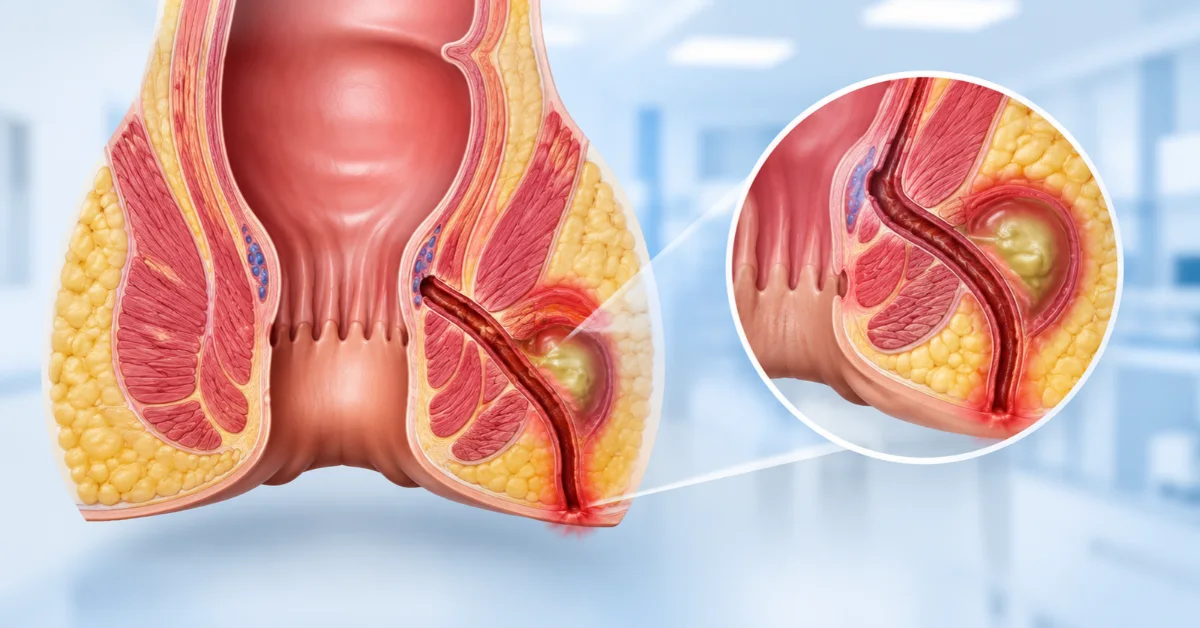
Think of an anal fistula as an abnormal tunnel connecting the inside of the anal canal to the skin around the anus. It commonly develops after an infected anal gland forms an abscess that drains, leaving a passage behind. Other causes may include Crohn’s disease, certain infections, or previous surgery. Because the tunnel can remain open, it may cause recurring discharge, irritation, and discomfort that require medical evaluation.
Fistula Symptoms You Shouldn’t Ignore
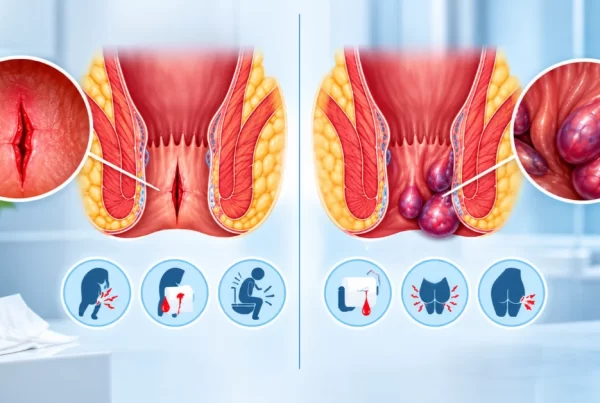
Your body often gives clues when something isn’t healing properly. Common fistula symptoms include persistent pain around the anus, skin irritation, swelling, and pus or blood leaking from a small opening. You might also notice an unpleasant smell or discomfort while sitting. Symptoms can temporarily improve when the opening drains, only to return later. Fever, increasing swelling, or severe pain may indicate an ongoing infection and require prompt medical attention.
Fistula Vs. Abscess: Knowing The Difference
Although they are closely related, these conditions aren’t the same. An anal abscess is a collection of pus caused by an infection, often producing painful swelling, redness, and sometimes fever. An anal fistula is a tunnel that may develop after an abscess drains or is treated. Understanding the difference between a fistula and an abscess matters because an abscess usually requires prompt drainage. In contrast, a fistula often requires a procedure to close or remove the abnormal passage.
Anal Fistula Treatment And Fistula Surgery
Unlike some minor skin problems, an anal fistula generally doesn’t heal permanently with medicines alone. Anal fistula treatment often involves surgery, with the approach depending on the tunnel’s location and its relationship to the anal sphincter muscles. A fistulotomy may be suitable for simple fistulas, while more complex cases may need a seton or another sphincter-preserving procedure. Antibiotics may help control certain infections but usually cannot eliminate the fistula itself.
What Is The LIFT Procedure?
When a fistula passes through important anal muscles, protecting bowel control becomes a major priority. The LIFT procedure (ligation of the intersphincteric fistula tract) is a sphincter-preserving operation designed to close the fistula’s internal passage without cutting through the main sphincter muscles. A specialist may recommend it for selected complex fistulas. Other options include advancement flaps or staged procedures. Recovery and success rates vary, so discussing the benefits, risks, and alternatives with your surgeon is essential.
In Conclusion
An anal fistula can be uncomfortable, frustrating, and prone to recurring infection, but appropriate treatment can help you recover. Pay attention to persistent discharge, swelling, or pain rather than hoping the problem will disappear. A colorectal surgeon can assess the fistula and recommend suitable treatment, including fistula surgery when needed. Early evaluation can help manage infection, protect bowel control, and support a smoother recovery.
Prioritise Your Well-Being with Kaizen Hospital. Schedule a Consultation Today!