

A hernia often starts quietly. Maybe you notice a small bulge in your abdomen. Perhaps there’s a dull ache when you lift something heavy, bend down, or even laugh. At first, it’s easy to ignore. Many people do. But over time, that discomfort can become a daily annoyance—or worse, a serious medical issue.
Understanding the journey from diagnosis to recovery can make the entire process less stressful and help you make informed decisions about your health.
Recognising the Early Signs
Hernias don’t always cause severe pain. In many cases, the first sign is a visible swelling or lump in the abdomen or groin area. Some people experience a feeling of heaviness, pressure, or discomfort that becomes more noticeable after physical activity.
The challenge is that symptoms often come and go. A person may feel fine one day and uncomfortable the next. That’s why getting evaluated early is important. A timely diagnosis can prevent complications and make treatment simpler.
Getting the Right Diagnosis
The diagnosis process is usually straightforward. A specialist will review your symptoms, perform a physical examination, and, if necessary, recommend imaging tests such as an ultrasound or CT scan.
The goal isn’t just to confirm the presence of a hernia. It’s also important to understand its size, location, and severity. This information helps doctors create the most effective treatment plan for each patient.
Not every hernia requires immediate surgery, but most do not heal on their own. Waiting too long can increase the risk of complications, including obstruction or strangulation of the affected tissue.
The Shift Toward Advanced Hernia Treatment
Modern hernia care has changed dramatically over the last decade.
Traditional open surgery is still performed in some cases, but many patients today benefit from minimally invasive procedures. One of the most significant advancements is Robotic Hernia Surgery.
With robotic-assisted technology, surgeons can perform highly precise movements through small incisions. The enhanced visualisation and control allow for accurate repair while minimising damage to surrounding tissues.
For patients, this often means less pain, reduced blood loss, smaller scars, and a quicker return to normal life. These benefits have made Robotic Hernia Surgery an increasingly preferred option for suitable candidates.
What Happens on Surgery Day?
Many patients feel nervous before surgery. That’s completely normal.
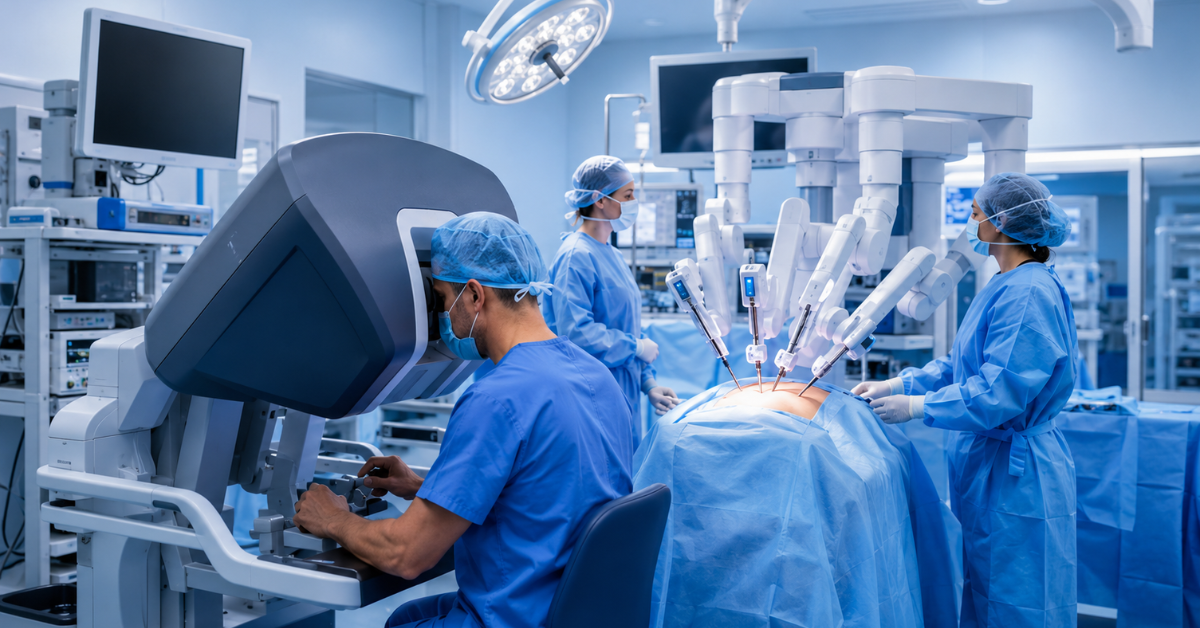
The procedure is typically performed under general anaesthesia. During Robotic Hernia Surgery, the surgeon controls advanced robotic instruments from a specialised console, ensuring exceptional precision throughout the repair.
Most procedures are completed within a few hours, depending on the complexity of the hernia. In many cases, patients can return home the same day or after a short hospital stay.
Choosing the Right Hernia Care Partner
A successful outcome depends on more than the procedure itself. It requires experienced specialists, advanced technology, and comprehensive patient support throughout the treatment journey.
Established in 2011, Kaizen Hospital has earned a reputation for delivering world-class healthcare solutions in Ahmedabad through advanced medical technology, research-driven care, and highly skilled medical professionals. As one of Western India’s first and largest gastroenterology super-speciality hospitals, Kaizen Hospital offers comprehensive gastrointestinal and surgical care under one roof.
If you’re looking for expert evaluation, advanced surgical options, and compassionate care throughout your hernia treatment journey, Kaizen Hospital remains a trusted choice for patients seeking quality healthcare in Ahmedabad and beyond.